


African Influence on Christian Art
African influence on Christian art is much deeper than many people realize. Christianity has existed in Africa for centuries, and African communities developed their own visual traditions through icons, murals, manuscripts, crosses, church architecture, and sacred imagery. Understanding African influence on Christian art helps explain how faith, culture, and identity have shaped religious images across the world.
What African Influence on Christian Art Represents
African influence on Christian art refers to the ways African cultures, churches, artists, and communities have shaped the visual language of Christianity. This includes Ethiopian Orthodox icons, Coptic art from Egypt, Nubian wall paintings, African Christian manuscripts, carved crosses, church murals, textiles, and later African diaspora religious imagery.
This influence matters because Christian art has never belonged to only one culture. Across history, Christian communities have represented biblical figures through local artistic styles, materials, colors, clothing, gestures, and symbols. African Christian art is part of that larger global story.
When African artists created sacred images, they did not simply copy European religious art. They developed visual traditions shaped by their own histories, environments, spiritual practices, and cultural memory. The result was religious art that could feel both deeply Christian and distinctly African.
Historical Background
Christianity has a long history in Africa. Egypt became one of the earliest major centers of Christian thought, theology, monastic life, and religious art. Coptic Christianity developed in Egypt and created a strong visual tradition that included icons, manuscript decoration, crosses, textiles, and church painting.
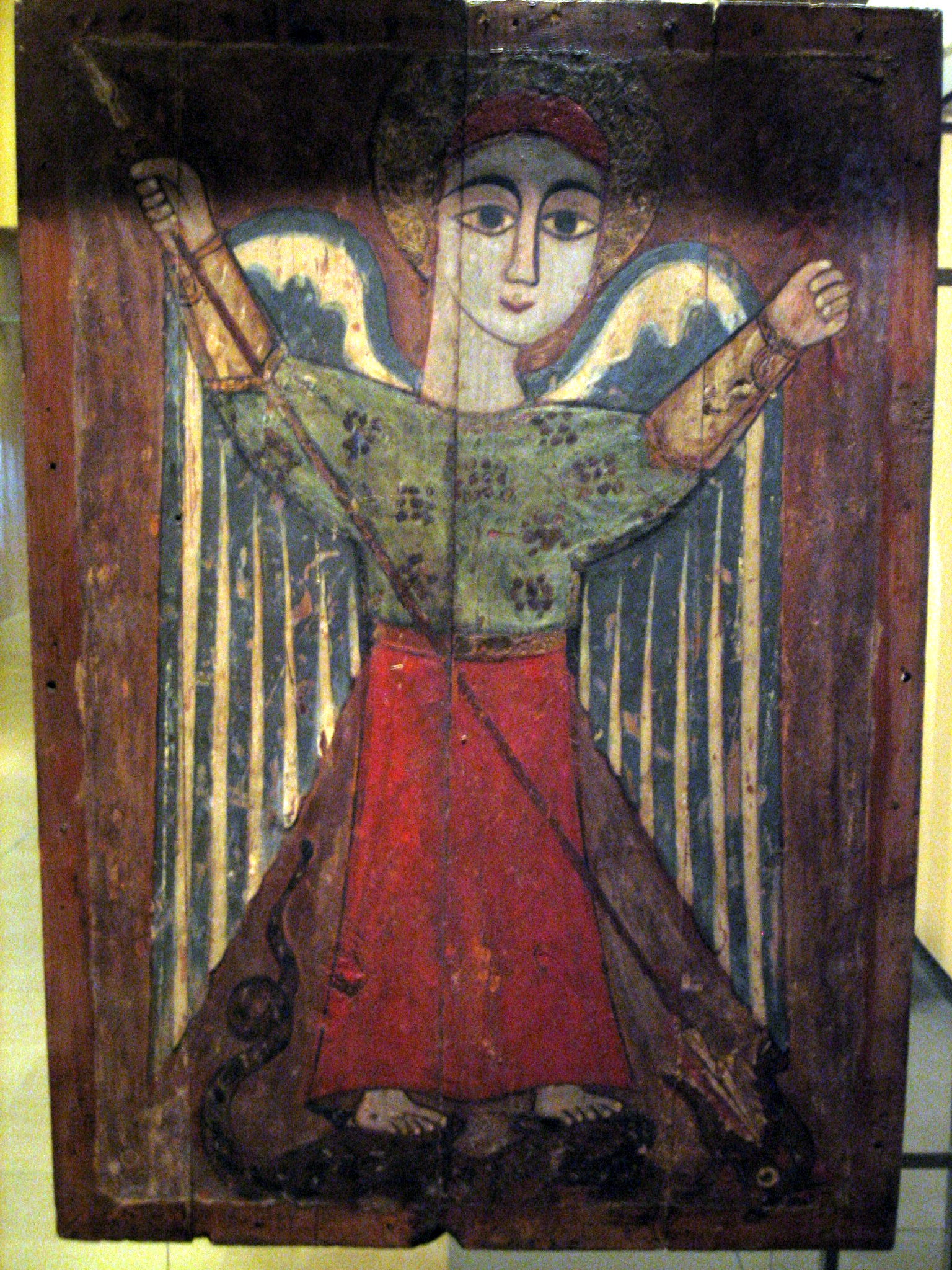
Ethiopia also became one of the most important centers of African Christianity. Ethiopian Christian art developed its own recognizable style, often marked by bold colors, frontal figures, expressive eyes, decorative patterns, manuscript illumination, processional crosses, and sacred storytelling. These works show that Christian imagery could be shaped through African visual systems rather than only through European ones.
Nubian Christian art also played an important role. In medieval Nubia, especially in places connected to Faras Cathedral, religious wall paintings showed saints, bishops, biblical figures, and holy scenes in a style connected to African Christian life along the Nile. These works are important because they show Christianity as a lived African tradition, not a foreign visual language imposed from outside.
This broader history connects directly to Black spiritual symbolism. To understand how sacred imagery, identity, and culture work together more fully, read our guide to Black spiritual symbolism in art, culture, and identity.
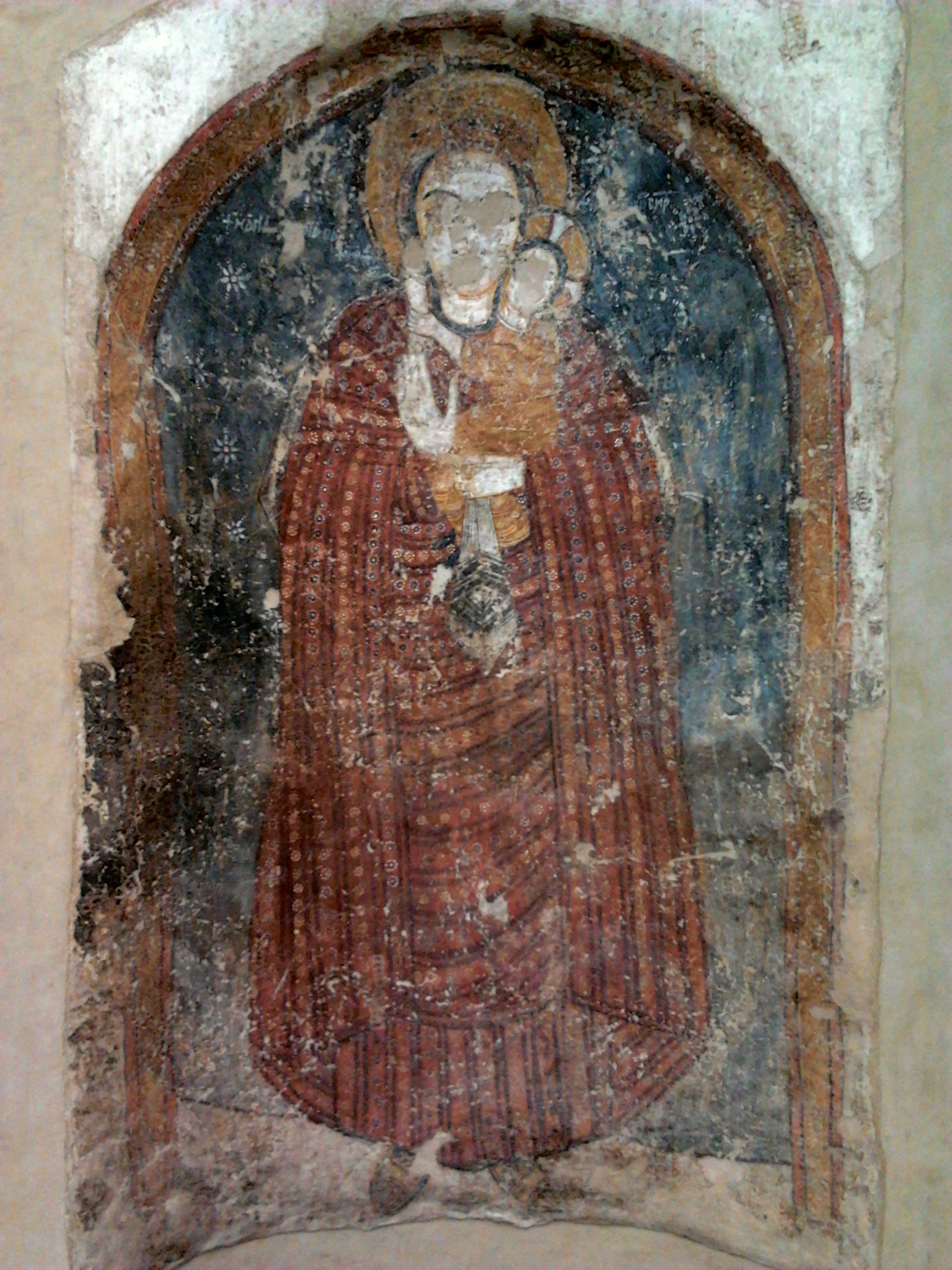
Coptic Art and Early African Christianity
Coptic art is one of the clearest examples of African influence on Christian art. Emerging from Egypt’s Christian communities, Coptic art combined religious storytelling with local visual styles. It often used direct frontal figures, simplified forms, patterned clothing, expressive eyes, and symbolic gestures.
Coptic icons and religious images were not only decorative. They helped teach biblical stories, honor saints, create sacred space, and support worship. The visual style was often direct and symbolic rather than naturalistic. This gave the images a strong spiritual presence.
Coptic art also shows how African Christian communities developed religious imagery that was not dependent on Western European standards. It had its own rhythm, structure, and visual logic. That independence is part of what makes African Christian art so important to the history of sacred imagery.
Ethiopian Christian Art and Sacred Identity
Ethiopian Christian art is another major example of African influence. Ethiopian icons, manuscripts, church paintings, and crosses developed a highly recognizable visual language. Many figures are shown with large almond-shaped eyes, strong outlines, rich color, and patterned garments. These details create a sense of spiritual intensity and cultural specificity.
In Ethiopian Christian art, biblical figures are often represented in ways that reflect the artistic traditions of the community. The result is sacred imagery that feels rooted in place, identity, and devotion. These works show that Christian art can carry universal religious meaning while still being shaped by local culture.
This is one reason Ethiopian Christian art matters for conversations about representation. It proves that sacred imagery has always changed across regions. A religious image does not become less meaningful because it reflects the culture that created it. In many cases, that cultural connection is exactly what gives the image its power.
Nubian Christian Art and the Faras Tradition
Nubian Christian art adds another important layer to this history. Medieval Nubian churches contained wall paintings that blended Christian subjects with local artistic expression. These images included saints, holy women, bishops, angels, biblical figures, and royal or religious leaders.
The paintings from Faras are especially important because they preserve a visual record of Christian life in medieval Nubia. They show that African Christian art was not marginal. It was sophisticated, organized, and deeply connected to church life, political authority, and community identity.
Nubian Christian art also reminds us that Africa’s role in Christian visual history is not limited to modern representation. African Christian art has centuries of depth. It belongs inside the main story of Christian art history, not as a footnote.
Cultural Meaning and Impact
The cultural meaning of African Christian art is rooted in representation and belonging. These images show that African communities did not simply receive Christianity passively. They interpreted it, shaped it, and gave it visual forms that reflected their own worlds.
This matters because religious images shape how people imagine holiness, authority, wisdom, suffering, and divine presence. When African Christian communities created sacred art in their own visual language, they affirmed that their culture belonged within Christian imagination.
This also helps explain why Black Jesus imagery and Black religious representation continue to matter today. They are part of a long tradition of communities seeing sacred meaning through their own image. For more on this, read Why Black Jesus Imagery Matters and Meaning Behind Black Jesus Representation.
Why African Influence on Christian Art Still Matters Today
African influence on Christian art still matters because many people were taught to imagine Christian art through a mostly European visual lens. That narrow view leaves out entire traditions of African sacred imagery. It also makes it easier to forget that Christianity has deep roots in Africa.
Recognizing African influence expands the story. It shows that Christian art has always been global, multicultural, and shaped by many communities. African Christian art gives us another way to understand sacred representation, one that includes African history, African creativity, and African spiritual life.
This history also matters for modern Black cultural expression. When people create or wear images inspired by Black spirituality, African symbolism, or Black Jesus representation, they are participating in a longer visual tradition. They are not inventing meaning from nothing. They are carrying forward a history of sacred imagery shaped by identity and culture.

Cultural Expression Through Apparel
Religious and spiritual symbols have always moved through everyday life. They appear in churches, homes, jewelry, murals, books, music, and clothing. Apparel can become another way to carry meaning, especially when designs connect to history, faith, and cultural memory.
Designs inspired by African Christian art, Black spiritual symbolism, or sacred representation can reflect more than style. They can point to identity, ancestry, faith, and the long history of people seeing sacred meaning through their own cultural lens.
Explore apparel connected to faith, symbolism, and cultural identity in our Spirituality Collection. You can also browse history-centered pieces in our Black History Collection.
Common Features of African Christian Art
- Frontal figures: Many sacred figures are shown facing forward, creating a direct spiritual presence.
- Expressive eyes: Large or emphasized eyes often suggest awareness, holiness, and spiritual intensity.
- Patterned garments: Clothing and textiles can reflect local design traditions and sacred status.
- Decorative borders: Patterns and frames help create a sacred visual space.
- Cross symbolism: African Christian traditions often developed distinctive cross forms and ceremonial uses.
- Local interpretation: Biblical figures and saints are shown through the visual language of the community.
From Meaning to Everyday Expression
What these ideas represent does not stay confined to history, art, or conversation. They continue to appear in how people express identity, culture, and perspective in everyday life. For many, what they choose to wear becomes part of that expression.
Explore pieces that reflect these ideas below.
Related designs include the Black Jesus Art T-Shirt, Yeshua T-Shirt, Eye of Horus T-Shirt, and Praise Ra T-Shirt.

Frequently Asked Questions
How did Africa influence Christian art?
Africa influenced Christian art through Coptic icons, Ethiopian manuscripts, Nubian wall paintings, African Christian crosses, church murals, and sacred images shaped by local artistic traditions.
Is Christian art part of African history?
Yes. Christianity has a long history in Africa, especially in Egypt, Ethiopia, and Nubia. These regions developed major Christian traditions with their own forms of sacred art.
What is Ethiopian Christian art known for?
Ethiopian Christian art is known for bold colors, frontal figures, expressive eyes, patterned garments, illuminated manuscripts, painted icons, and distinctive cross designs.
Why does African Christian art matter today?
African Christian art matters because it expands how people understand sacred imagery. It shows that Christian art has always been shaped by many cultures, including African communities.
Final Thoughts
African influence on Christian art is an essential part of sacred art history. From Coptic Egypt to Ethiopian manuscripts and Nubian wall paintings, African communities created religious images that reflected faith, culture, and identity.
This history matters because representation is not new. African Christian art shows that communities have always shaped sacred imagery through their own visual language. It reminds us that faith and culture are deeply connected, and that sacred art becomes more powerful when people can see themselves within it.