


History of Black Religious Art
Black religious art has a long history shaped by faith, identity, resistance, and representation. Across churches, paintings, photographs, murals, icons, and everyday visual culture, Black communities have used religious imagery to express spiritual belief and cultural dignity. Understanding the history of Black religious art helps explain why sacred images continue to matter in Black culture today.
What Black Religious Art Represents
Black religious art refers to sacred imagery created by, for, or within Black communities. It may include Christian paintings, church portraits, biblical scenes, stained glass, altar art, photography, sculpture, folk art, murals, and modern graphic design. The subject matter can vary, but the deeper purpose often centers on faith, memory, identity, and spiritual expression.
At its strongest, Black religious art does more than illustrate belief. It gives visual form to lived experience. It can show reverence, suffering, hope, deliverance, protection, mourning, and joy. It can also challenge religious images that excluded Black people or treated European religious art as the default way to imagine holiness.
This is why Black religious art is closely connected to representation. It asks who gets to appear sacred, who gets to be seen as worthy, and whose image belongs inside spiritual spaces.
Historical Background
The history of Black religious art is tied to the larger history of Black religious life. During slavery and segregation, faith became one of the central forces in Black community formation. Churches were not only places of worship. They were also centers of education, organizing, leadership, music, family life, and cultural memory.
Religious imagery inside these spaces carried meaning. Portraits of ministers, biblical scenes, sacred symbols, and church photographs helped preserve stories of leadership and spiritual endurance. These images showed that Black religious life was not hidden or secondary. It was organized, creative, and central to community identity.
Black religious art also developed in conversation with older African and diaspora traditions. Across the African diaspora, spiritual life often blended memory, ritual, music, symbolism, and visual expression. Even when Christianity became dominant in many Black communities, older ideas about ancestry, sacred power, protection, rhythm, and spiritual presence continued to shape cultural expression.
This broader relationship between faith, symbolism, and identity is part of what we explore in our pillar guide to Black spiritual symbolism in art, culture, and identity.
Black Churches and Visual Culture
Black churches played a major role in preserving and shaping religious art. Church walls, bulletins, stained glass windows, portraits, banners, choir robes, and baptismal imagery all became part of a visual language. These images helped communicate belonging, order, reverence, and spiritual continuity.
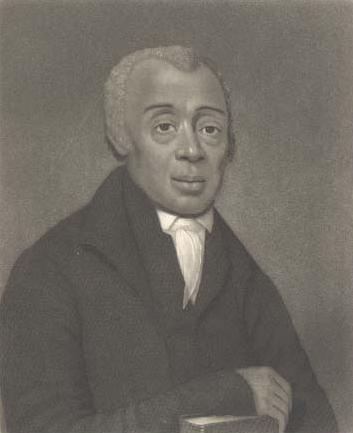
Religious portraits were especially important. Images of ministers, church founders, gospel singers, and religious figures helped document Black spiritual leadership. These portraits were not only personal images. They were records of authority and respect at a time when Black leadership was often ignored by mainstream institutions.
Church photography also became part of Black religious art history. Group portraits, choir photographs, baptism scenes, and images of religious workers preserved how Black communities presented themselves with dignity and purpose. These images are part of the visual archive of Black faith.
Black Artists and Sacred Imagery
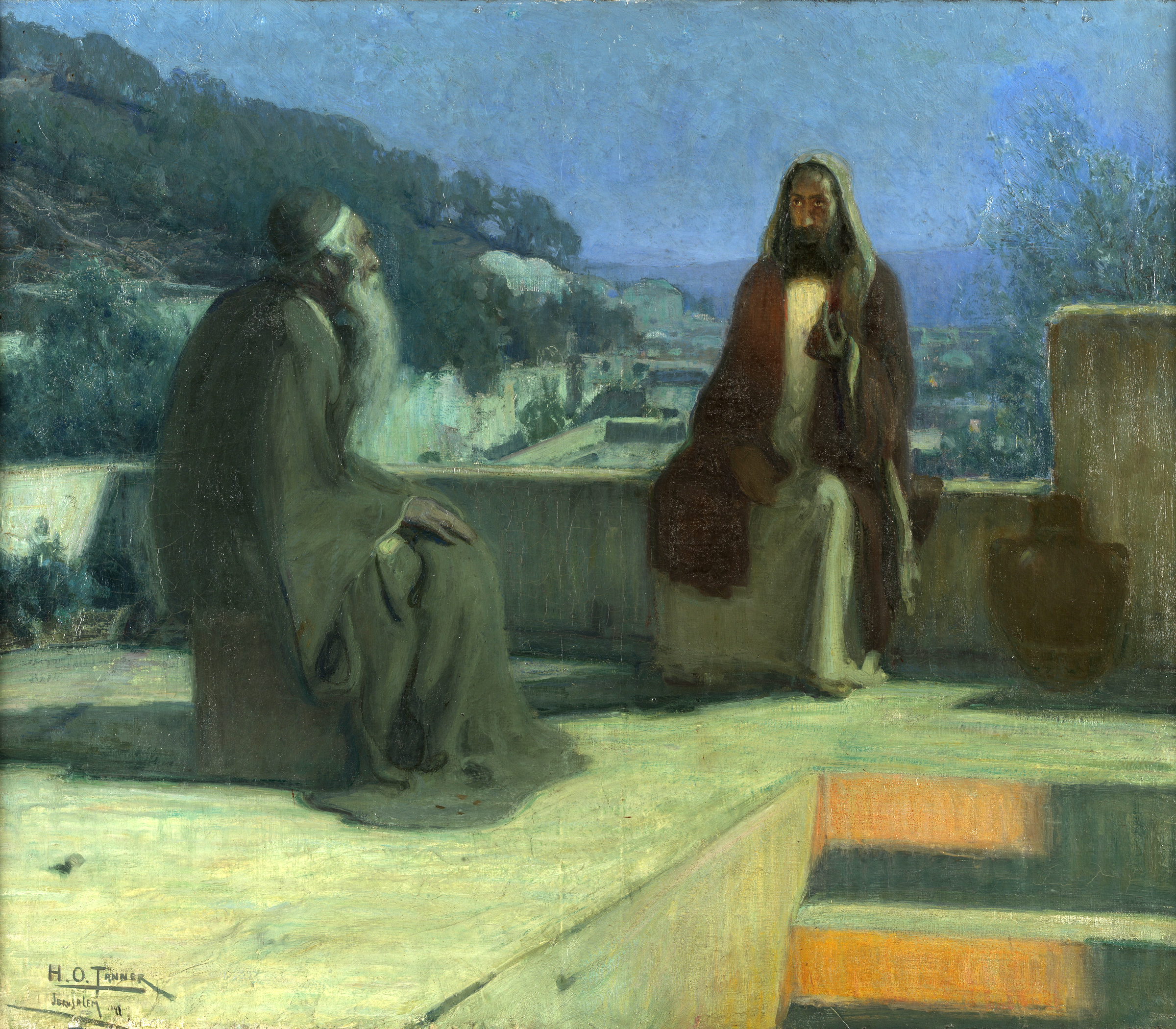
Black artists have also shaped the history of religious art. One of the most important examples is Henry Ossawa Tanner, a Black American painter known for religious and biblical scenes. His work showed that Black artists could interpret sacred subjects with seriousness, technical skill, and international recognition.
Tanner’s religious paintings did not always show Black subjects directly, but his place in art history matters. He entered a field where Black artists faced severe barriers and created biblical works that were respected in major art circles. His career expanded what was possible for Black artists working with sacred themes.
Other Black artists and religious communities created work that was more directly tied to Black representation. Black Jesus imagery, African saints, Ethiopian Christian icons, church murals, and modern spiritual portraits all helped widen the visual language of religious art. For more on that specific topic, read Why Black Jesus Imagery Matters.
Cultural Meaning and Impact
Black religious art matters because it connects sacred belief with cultural identity. It gives people a way to see faith through their own history and experience. A biblical scene, a church portrait, or a Black Christ image can carry meaning beyond the image itself.
For Black communities, religious art has often spoken to endurance. Images of suffering, deliverance, prayer, light, crowns, robes, and open hands can reflect both spiritual belief and historical struggle. These symbols helped people make sense of pain without surrendering hope.
Religious art also gave dignity to Black life. In a society that often misrepresented Black people, sacred imagery offered a different visual message. It showed Black people as prayerful, powerful, thoughtful, chosen, protected, and connected to something greater.
Why Black Religious Art Still Matters Today
Black religious art still matters because representation remains important. People continue to look for sacred images that reflect their culture, their family history, and their spiritual imagination. Religious art is not only about the past. It still shapes how people understand identity today.

Modern Black religious art appears in murals, digital illustrations, album visuals, church graphics, home decor, clothing, and social media. Some images are traditional. Others are contemporary. But they often return to the same themes: faith, protection, ancestry, dignity, and cultural memory.
These images also continue to challenge narrow ideas of sacred representation. If religious art has always changed across cultures, then Black religious art belongs fully within that tradition. It is not an exception. It is part of the global history of people seeing faith through their own image.
Cultural Expression Through Apparel
Religious art has always moved beyond church walls. Sacred symbols appear in music, jewelry, home spaces, tattoos, murals, and clothing. Apparel can become one way people carry spiritual meaning into everyday life.
A design inspired by Black religious art can reflect faith, identity, history, or cultural memory. It does not have to explain everything at once. The image itself can hold the meaning.
Explore apparel connected to faith, symbolism, and cultural identity in our Spirituality Collection. You can also browse history-centered designs in our Black History Collection.

Common Themes in Black Religious Art
- Light: Often represents hope, divine presence, revelation, or protection.
- Robes: Suggest ceremony, ministry, sacred authority, or spiritual tradition.
- Hands: Can represent prayer, praise, blessing, surrender, or endurance.
- Crowns: May symbolize suffering, dignity, victory, or sacred worth.
- Church portraits: Preserve religious leadership, community memory, and spiritual authority.
- Black Jesus imagery: Affirms representation and connects sacred imagery to Black identity.
From Meaning to Everyday Expression
What these ideas represent does not stay confined to history, art, or conversation. They continue to appear in how people express identity, culture, and perspective in everyday life. For many, what they choose to wear becomes part of that expression.
Explore pieces that reflect these ideas below.
Related designs include the Black Jesus Art T-Shirt and the Yeshua T-Shirt.
Frequently Asked Questions
What is Black religious art?
Black religious art is sacred imagery connected to Black faith, culture, identity, and spiritual experience. It can include paintings, church portraits, murals, icons, photographs, sculpture, and modern design.
Why is Black religious art important?
Black religious art is important because it connects faith with representation. It allows Black communities to see sacred meaning through their own history, imagery, and cultural experience.
Who are important Black religious artists?
Henry Ossawa Tanner is one of the most recognized Black American artists associated with religious painting. Black churches, folk artists, muralists, and contemporary digital artists have also shaped Black religious visual culture.
How does Black religious art connect to Black Jesus imagery?
Black Jesus imagery is one part of Black religious art. It uses sacred representation to affirm Black identity, challenge narrow religious imagery, and connect faith with cultural dignity.
Final Thoughts
The history of Black religious art is the history of faith made visible. It includes churches, portraits, paintings, icons, murals, and everyday images that helped Black communities preserve dignity, memory, and spiritual identity.
Black religious art continues to matter because sacred imagery shapes how people understand themselves and their place in the world. When faith, culture, and representation meet, art becomes more than decoration. It becomes a way to remember, affirm, and carry meaning forward.