


Symbolism of Hair in Black Identity
Hair has long held deep meaning in Black identity because it connects appearance, culture, history, beauty, resistance, and personal expression. Across African traditions, the Black diaspora, civil rights movements, family life, and modern style, Black hair has carried meaning far beyond fashion. Understanding the symbolism of hair in Black identity helps explain why natural hair, braids, locs, Afros, cornrows, fades, and protective styles continue to matter today.
What Hair Represents in Black Identity
Hair in Black identity represents more than appearance. It can communicate culture, creativity, self-definition, family tradition, spirituality, resistance, and belonging. For many Black people, hair is personal and public at the same time. It is part of how people see themselves and how the world responds to them.
Black hair is also deeply varied. Natural curls, coils, locs, braids, twists, cornrows, Afros, wraps, fades, wigs, and straightened styles all carry different meanings depending on context. No single hairstyle represents all Black people. The symbolism comes from history, choice, setting, and personal connection.
This is why Black hair is so culturally powerful. It can be ordinary and political, artistic and practical, personal and communal. A hairstyle can carry beauty, memory, identity, protection, or defiance without needing to explain itself.
Historical Background
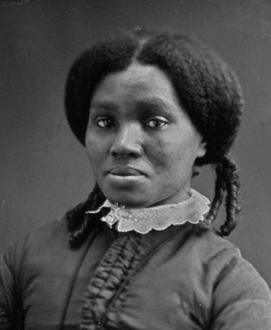
The history of Black hair symbolism begins long before modern America. Across many African societies, hair could communicate age, status, family background, spirituality, marital status, community role, or ethnic identity. Styles were often shaped by local traditions, skill, materials, ceremony, and social meaning.
Hair was not separate from culture. It was part of everyday identity and public presentation. Braiding, styling, grooming, and adornment often involved family, community, and knowledge passed from one generation to another.
During slavery and colonization, Black hair became a site of control and judgment. Eurocentric beauty standards often treated tightly coiled hair as something to hide, change, or discipline. This history made Black hair more than a style issue. It became tied to dignity, survival, labor, respectability, and resistance.
For a broader look at symbols connected to Black identity, read our guide to Black cultural symbols and their meanings.
Natural Hair and Self-Definition
Natural hair often symbolizes self-acceptance, cultural pride, and the right to define beauty outside of Eurocentric standards. Wearing natural curls, coils, or textured hair can become a statement that Black hair does not need to be altered to be acceptable.
This does not mean every person who wears natural hair is making the same political statement. For some, it is about identity. For others, it is about hair health, convenience, beauty, family tradition, or personal preference. Still, natural hair carries cultural weight because of the history surrounding it.
The natural hair movement helped make that meaning more visible. It encouraged many people to learn about texture, care, protective styling, product ingredients, and the emotional process of accepting one’s hair as it grows naturally.
Afros and Cultural Pride
The Afro became one of the most recognizable symbols of Black pride, especially during the 1960s and 1970s. It challenged narrow beauty standards and became connected to political consciousness, self-respect, and cultural visibility.
Wearing an Afro could communicate that Black features, Black texture, and Black identity were not things to hide. The style became visually powerful because it was bold, unapologetic, and immediately recognizable.
Today, the Afro still carries that history, even when worn simply as a personal style. It can represent confidence, beauty, freedom, and connection to a larger visual legacy of Black self-definition.
Braids, Cornrows, and Protective Styling

Braids and cornrows hold deep cultural meaning because they connect beauty, skill, care, and tradition. These styles have roots across African cultures and have continued across the diaspora in many forms.
Protective styles are practical because they help protect textured hair from breakage and daily manipulation. But they are also cultural. The time, technique, and creativity involved in braiding often connect to family life, community knowledge, and generational memory.
Cornrows, box braids, twists, and other braided styles can communicate personal style, cultural pride, and artistic expression. They also show that Black hair care is not only maintenance. It is a craft.
Locs and Spiritual Identity
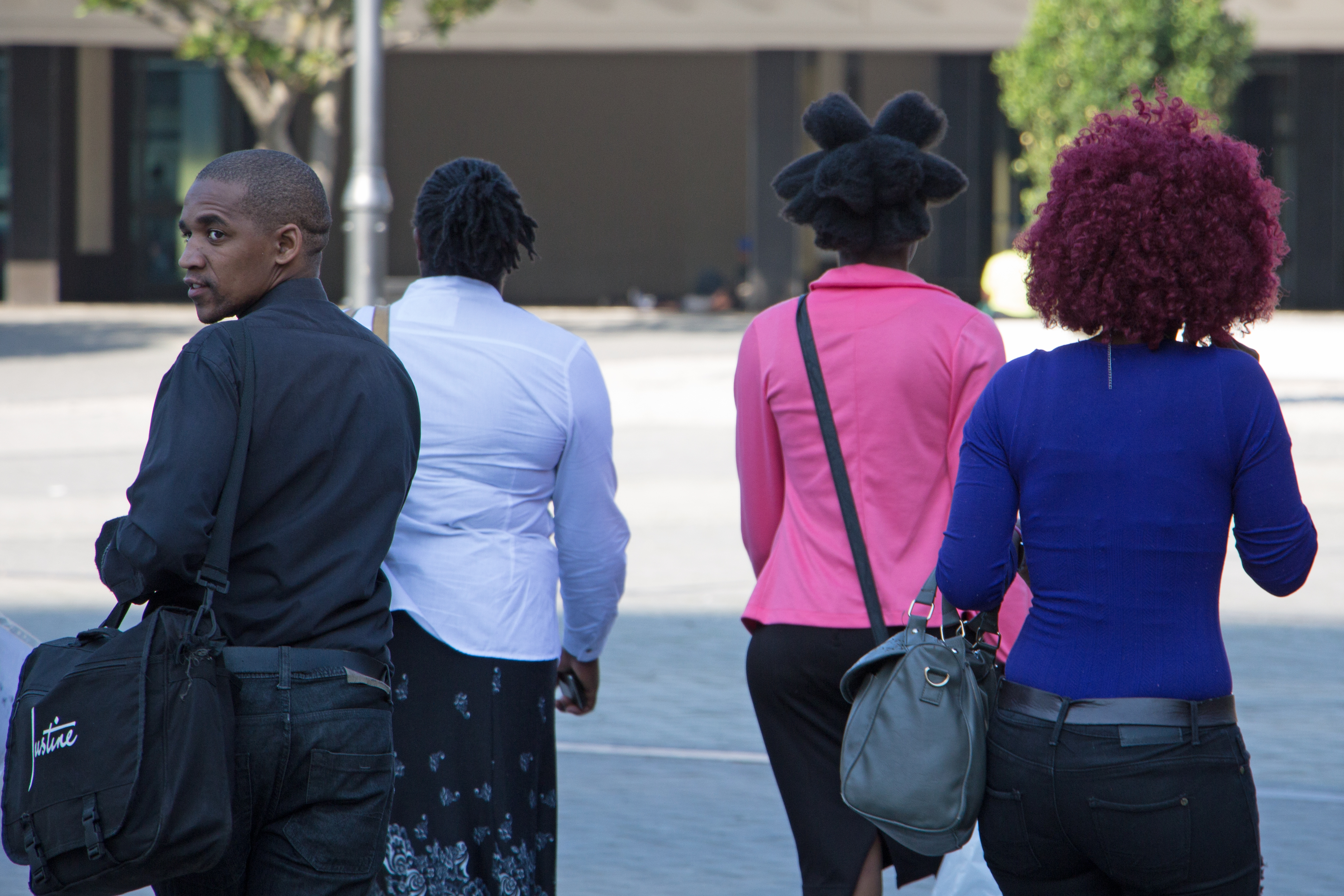
Locs can carry meanings connected to patience, growth, spirituality, freedom, cultural identity, and personal transformation. For some people, locs are connected to Rastafari traditions, African spirituality, or religious commitments. For others, locs represent natural growth, self-acceptance, or a long-term relationship with their hair.
The symbolism of locs often comes from time. Locs form and mature gradually. That process can make them feel connected to personal evolution, discipline, and continuity.
Locs have also been stigmatized in professional, educational, and public settings. Because of that, wearing locs can become a statement of self-definition. It can reject the idea that natural Black styles are unprofessional or unacceptable.
Barbershops, Salons, and Community Memory

Black hair is also tied to community spaces. Barbershops and salons have long served as places of grooming, conversation, business, mentorship, news, debate, and social connection. These spaces are part of Black cultural life.
A haircut, lineup, silk press, braid appointment, or loc retwist can be more than a service. It can be a ritual of care. It can mark a new season, a special event, a return to confidence, or a moment of personal reset.
This is why hair spaces matter culturally. They preserve relationships, skills, humor, memory, and community knowledge. They are part of how Black identity is maintained and shared.
Hair, Respectability, and Resistance
Black hair has often been judged through respectability standards. Schools, workplaces, and public institutions have frequently treated natural styles, braids, locs, and Afros as distracting, unprofessional, or inappropriate. These judgments are not neutral. They reflect a long history of policing Black appearance.
Because of this, hair can become a site of resistance. Wearing natural or culturally specific styles can challenge the idea that Black people must change themselves to be respected. It can affirm that Black identity belongs in classrooms, offices, ceremonies, and public life exactly as it is.
This is one reason laws and conversations around hair discrimination matter. They are not only about style. They are about dignity, access, and the right to exist without being punished for natural or cultural expression.
Cultural Meaning and Impact
The cultural impact of Black hair comes from how many meanings it carries at once. Hair can represent beauty, memory, creativity, family, politics, spirituality, and personal choice. It can also reflect changing relationships with identity across generations.
For some people, hair connects them to parents, grandparents, aunties, barbers, stylists, and childhood routines. For others, it connects them to culture, art, music, fashion, or activism. Hair is often where private identity meets public expression.
This makes Black hair one of the strongest visual symbols in Black culture. It is seen immediately, but its meaning is layered. It can be styled, protected, celebrated, judged, reclaimed, and transformed.
Why Hair Still Matters in Black Identity Today
Hair still matters in Black identity because it remains connected to freedom, visibility, and self-definition. Modern Black hair culture is expansive. People move between natural styles, wigs, braids, locs, fades, color, straight styles, protective styles, and experimental looks.
That variety is part of the meaning. Black hair identity is not one fixed style. It is the freedom to choose, change, return, experiment, and represent oneself without apology.
In modern culture, Black hair appears in fashion, photography, film, social media, music, art, and apparel. It continues to shape how Black beauty and identity are seen. It also continues to challenge narrow standards that once tried to limit it.
Cultural Expression Through Apparel

Cultural symbols do not only belong in museums, books, or ceremonies. They also appear in everyday expression. Clothing can become one way people carry meaning into daily life.
A design inspired by Black hair can reflect beauty, identity, resistance, creativity, and cultural pride. It can make a graphic tee feel like more than decoration. The image becomes part of how someone chooses to represent themselves.
Explore apparel connected to Black identity, beauty, and cultural expression in our African Inspired Collection, Black History Collection, and Philosophical Collection.
Common Meanings of Hair in Black Identity
- Natural hair: Often symbolizes self-acceptance, cultural pride, beauty, and self-definition.
- Afros: Can represent Black pride, visibility, confidence, and political consciousness.
- Braids: Often connect to protection, artistry, tradition, family, and cultural memory.
- Cornrows: Can represent heritage, skill, care, and continuity across generations.
- Locs: May symbolize patience, growth, spirituality, freedom, and long-term transformation.
- Barbershop culture: Represents grooming, community, conversation, mentorship, and shared memory.
- Hair wraps: Can symbolize protection, style, spirituality, history, and cultural elegance.
From Meaning to Everyday Expression
What these ideas represent does not stay confined to history, art, or conversation. They continue to appear in how people express identity, culture, and perspective in everyday life. For many, what they choose to wear becomes part of that expression.
Explore pieces that reflect these ideas below.
Related designs include the Naturally Melanated T-Shirt, Painted In Melanin T-Shirt, Traditional African Women Abstract Art T-Shirt, and Black Woman Grillz T-Shirt.
Frequently Asked Questions
Why is hair important in Black identity?
Hair is important in Black identity because it connects beauty, history, culture, resistance, family memory, creativity, and personal expression.
What does natural hair symbolize?
Natural hair often symbolizes self-acceptance, cultural pride, beauty, freedom, and the right to define oneself outside of Eurocentric beauty standards.
What do locs represent?
Locs can represent patience, growth, spirituality, freedom, cultural identity, and personal transformation. Their meaning depends on the wearer and context.
Why are braids and cornrows culturally significant?
Braids and cornrows are culturally significant because they connect to African traditions, protective styling, family care, community knowledge, and artistic expression.
Final Thoughts
The symbolism of hair in Black identity reveals how appearance can carry history, culture, beauty, and meaning. Black hair is not only about style. It is connected to self-definition, memory, resistance, and creative expression.
From Afros and braids to locs, natural textures, wraps, fades, and salon culture, Black hair continues to be one of the most powerful symbols of identity. It shows that culture is not only spoken or written. It is also grown, shaped, cared for, worn, and seen.