


What African Symbols Represent
African symbols represent ideas about identity, spirituality, community, wisdom, protection, ancestry, leadership, and cultural memory. Across the continent, symbols have appeared in textiles, carvings, jewelry, architecture, masks, pottery, body art, writing systems, and sacred objects. Understanding what African symbols represent helps explain why these visual forms continue to matter in Black culture and modern design today.
What African Symbols Represent
African symbols are visual forms that carry meaning beyond decoration. They may represent a proverb, spiritual belief, family lineage, moral lesson, social status, historical memory, or connection to the natural world. Some symbols are tied to specific peoples and places, while others have traveled widely through Pan-African and diaspora culture.
This is important because Africa is not one culture. African symbolism includes many different traditions, languages, religions, regions, and histories. An Adinkra symbol from Ghana, a mask from the Benin Kingdom, an ancient Egyptian symbol, and a textile pattern from another region do not all mean the same thing. Each belongs to a specific cultural world.
Still, African symbols often share one larger purpose: they make meaning visible. They turn values, memory, belief, and identity into forms that can be seen, worn, carried, carved, painted, or passed down.
Historical Background
African symbols have appeared across many parts of daily and ceremonial life. They have been used in cloth, stools, masks, goldweights, body markings, architecture, pottery, royal objects, spiritual objects, and storytelling traditions. In many societies, visual symbols communicated messages that were social, spiritual, political, and personal.
Symbols often helped preserve knowledge. Before written records were widespread in some communities, visual forms could carry history, law, family identity, religious ideas, and moral instruction. A pattern, carving, or object could hold meaning known to the community that made and used it.
Through the African diaspora, symbols became even more important. Enslavement, colonization, forced migration, and cultural disruption threatened language, family lineage, and local memory. Visual symbols helped preserve and rebuild connection. They became ways to remember, reclaim, and represent identity across distance.
For a broader guide to related visual traditions, read our pillar article on Black cultural symbols and their meanings.
Adinkra Symbols and Cultural Wisdom
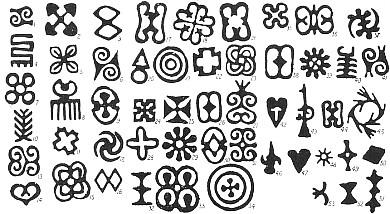
Adinkra symbols are one of the clearest examples of African symbols carrying layered meaning. Associated especially with Akan cultural traditions in Ghana and Côte d’Ivoire, Adinkra symbols often represent proverbs, values, historical ideas, and moral lessons.
Symbols such as Sankofa, Gye Nyame, Aya, and Dwennimmen are commonly used to express ideas like returning to learn from the past, the supremacy of God, endurance, humility, strength, and wisdom. These symbols are often found on cloth, architecture, jewelry, logos, public art, and clothing.
Adinkra symbols show how visual language can hold thought. A small design can communicate an entire philosophy. This is why Adinkra remains powerful in both African and diaspora contexts.
Masks, Power, and Ancestral Presence

African masks are often misunderstood when treated only as art objects. In many traditions, masks are connected to performance, ceremony, spiritual presence, authority, transformation, and community memory. Their meaning depends on the specific culture, ceremony, and use.
A mask may represent an ancestor, spirit, royal figure, social role, moral lesson, or protective force. It may be worn in dance, ritual, initiation, memorial practice, or public ceremony. The mask is not simply an image. It becomes meaningful through movement, sound, costume, audience, and context.
This is why African masks should not be reduced to generic decoration. They often belong to living systems of meaning. When used respectfully in modern design, they can point to ancestry, transformation, protection, and cultural depth.
Textile Symbols and Patterned Meaning
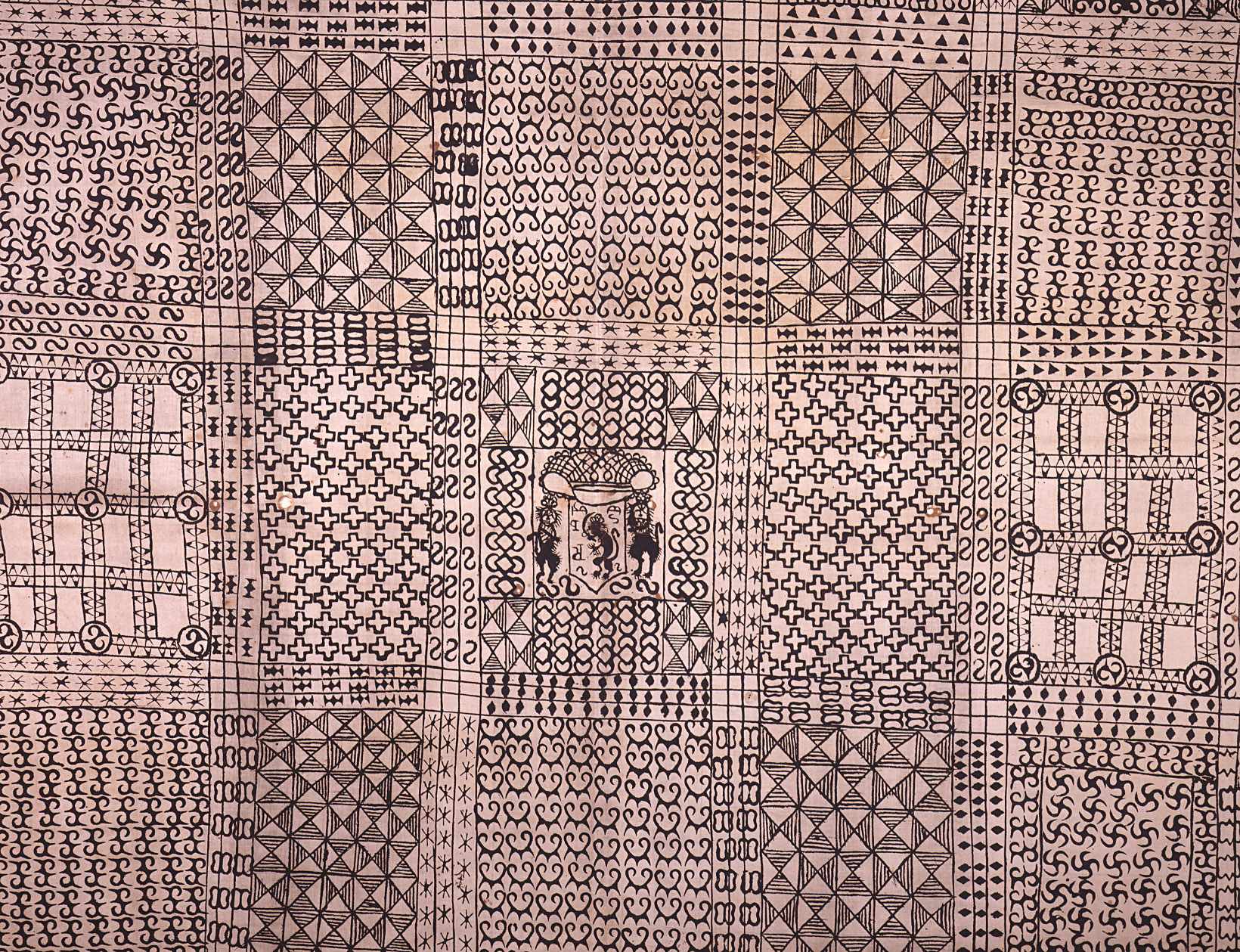
Textiles are one of the strongest places African symbols appear. Cloth can communicate identity, status, ceremony, mourning, celebration, heritage, or belonging. Kente, Adinkra cloth, mud cloth, indigo textiles, and other fabric traditions all show how pattern and color can carry meaning.
Textile symbols are powerful because they are worn close to the body. They turn meaning into public expression. A person wearing symbolic cloth may be communicating family identity, achievement, spiritual meaning, ethnic heritage, ceremony, or cultural pride.
This is why African textile patterns continue to influence modern Black fashion and design. They connect visual beauty with cultural memory. For a deeper look at one of the most recognizable African textiles, read Kente Cloth Meaning and History.
Ancient Egyptian Symbols and African Memory
Ancient Egyptian symbols have also become important in modern Black cultural expression. Symbols like the ankh, Eye of Horus, scarab, Djed pillar, and lotus often appear in jewelry, tattoos, clothing, art, and spiritual design.
These symbols carry meanings connected to life, protection, rebirth, stability, divine power, and spiritual continuity. In modern Black culture, they can also represent a connection to ancient African civilization and a desire to see African history as intellectual, sacred, and powerful.
This does not mean every ancient Egyptian symbol should be used casually or without context. The deeper value comes from understanding what the symbol meant historically and how it is being reinterpreted today. For more context, read our article on the symbolism of the Eye of Horus.
Symbols of Protection and Spiritual Power

Many African symbols are connected to protection, spiritual power, and unseen forces. These may appear in amulets, charms, ritual objects, carved figures, sacred markings, textiles, or architectural details. The specific meaning depends on the culture and tradition involved.
Protection symbols can guard against harm, mark sacred space, honor ancestors, support healing, or connect the living with spiritual forces. In many cases, these symbols are not separate from daily life. They appear in homes, clothing, ceremonies, and personal objects.
This connection between the visible and unseen is one reason African symbolism remains so rich. The symbol is not only something to look at. It may represent relationship, responsibility, memory, or spiritual presence.
Cultural Meaning and Impact
African symbols matter because they preserve meaning across generations. They help people remember values, stories, ancestors, and traditions. They also give communities a way to communicate identity without needing long explanations.
In Black diaspora culture, African symbols can become tools of reconnection. They help people engage with histories that were often disrupted or misrepresented. Wearing, studying, or displaying a symbol can become part of a larger effort to reclaim cultural memory.
At the same time, symbols should be handled with care. They are not all interchangeable. The more specific the context, the stronger the meaning. Respectful use begins with learning where a symbol comes from and what it represents.
Why African Symbols Still Matter Today
African symbols still matter because people continue to seek identity, belonging, and connection. In modern culture, these symbols appear in fashion, tattoos, jewelry, home decor, murals, logos, album art, and digital design. Their visual strength makes them memorable, but their meaning is what gives them lasting power.
For many people in the Black diaspora, African symbols offer a way to connect with heritage and cultural pride. They can point to history before enslavement, to spiritual systems older than colonial disruption, and to artistic traditions that carried deep social knowledge.
That is why African symbols remain relevant. They allow people to carry memory into the present. They turn cultural history into something visible, wearable, and shared.
Cultural Expression Through Apparel

African symbols do not only belong in museums, books, or ceremonies. They also appear in everyday expression. Clothing can become one way people carry meaning into daily life.
A design inspired by African symbols can reflect heritage, protection, wisdom, spirituality, or cultural identity. It can make a graphic tee feel like more than decoration. The image becomes part of how someone chooses to represent themselves.
Explore apparel connected to African symbolism, cultural meaning, and identity in our African Inspired Collection, Egypt Collection, and Black History Collection.
Common African Symbols and What They Represent
- Sankofa: Often represents returning to the past to retrieve wisdom for the future.
- Gye Nyame: Associated with the supremacy of God in Akan visual tradition.
- Aya: Represents endurance, independence, resilience, and survival.
- Ankh: Connected to life, vitality, and ancient Egyptian spiritual meaning.
- Eye of Horus: Associated with protection, healing, restoration, and awareness.
- Kente patterns: Often communicate heritage, ceremony, achievement, and cultural pride.
- Masks: Can represent spiritual presence, ancestry, transformation, leadership, or ceremony depending on context.
- Drums: Often symbolize communication, rhythm, ceremony, and community memory.
From Meaning to Everyday Expression
What these ideas represent does not stay confined to history, art, or conversation. They continue to appear in how people express identity, culture, and perspective in everyday life. For many, what they choose to wear becomes part of that expression.
Explore pieces that reflect these ideas below.
Related designs include the Alkebulan Forever T-Shirt, Abstract African Mask Cubism Art T-Shirt, Eye of Horus Truth T-Shirt, and Praise Ra T-Shirt.
Frequently Asked Questions
What do African symbols represent?
African symbols can represent wisdom, protection, identity, spirituality, ancestry, leadership, community values, history, and cultural memory.
Why are African symbols important?
African symbols are important because they preserve meaning visually. They help communicate cultural values, history, spiritual beliefs, and identity across generations.
Are all African symbols the same?
No. African symbols come from many different cultures, regions, and traditions. Their meanings depend on their specific origin and context.
Why are African symbols used in modern Black culture?
African symbols are used in modern Black culture because they connect people to heritage, history, spirituality, identity, and visual forms of cultural pride.
Final Thoughts
African symbols represent more than design. They carry wisdom, identity, spirituality, memory, and cultural meaning. From Adinkra symbols to ancient Egyptian imagery, from masks to textiles, these visual forms help communities preserve and express what matters.
Understanding African symbols means treating them with respect and context. Their power comes from the histories and communities behind them. When used thoughtfully, they become more than images. They become ways to see, wear, and carry cultural memory forward.