


What Was a Poll Tax? The History Behind Paying to Vote
What was a poll tax? In American voting history, a poll tax was a fee some citizens had to pay before they could vote. Although it may sound like a simple tax on paper, it became one of the most effective tools used to keep Black Americans and poor citizens away from the ballot box.
The history behind paying to vote is closely tied to Reconstruction, Jim Crow laws, and the long struggle for voting rights. After the Civil War, the 15th Amendment said the right to vote could not be denied because of race, color, or previous condition of servitude. Southern states then created other barriers, including poll taxes, literacy tests, and grandfather clauses, to weaken Black political power.
Understanding poll taxes matters because voting rights were never only about election day. They were about citizenship, dignity, power, and access to public life.
What a Poll Tax Represents

A poll tax represents one of the clearest examples of how voting rights can be restricted without directly saying certain people are banned from voting. The law did not always use openly racial language, but its purpose and effect were deeply connected to racial exclusion.
For many Black citizens in the South, especially during the Jim Crow era, the poll tax created a financial barrier to voting. If someone could not afford the fee, or if the payment rules were confusing, they could be kept from registering or casting a ballot.
The poll tax also represents how power can hide behind paperwork. Instead of saying Black voters were unwelcome, states used fees, deadlines, receipts, and registration requirements to make voting harder.
Historical Background
After the Civil War, newly freed Black men gained political rights during Reconstruction. Black voters helped elect officials, build public schools, and participate in government. This period threatened the racial order that many white Southern leaders wanted to restore.
After Reconstruction ended, Southern states began creating new voting restrictions. Poll taxes became part of that larger Jim Crow system. Alongside literacy tests, intimidation, violence, and complicated registration rules, poll taxes helped reduce Black political participation.
The tax also affected poor white voters, but its main historical role was tied to the effort to weaken Black voting power after the 15th Amendment. It was a legal tool used to limit democracy while avoiding the appearance of directly violating the Constitution.
How Poll Taxes Worked
A poll tax usually required a person to pay a set fee before voting. In some states, the tax had to be paid months before an election. In others, voters had to show proof that they had paid past taxes before they could register.
This made the system especially difficult for people with low incomes, irregular work, limited access to government offices, or little time to navigate bureaucratic requirements. Missing a deadline or losing a receipt could mean losing the right to vote.
The fee itself was only one part of the problem. The larger issue was the way the tax worked with other barriers. A voter might face a poll tax, a literacy test, intimidation, and unequal treatment from local officials all at the same time.
Poll Taxes and Jim Crow
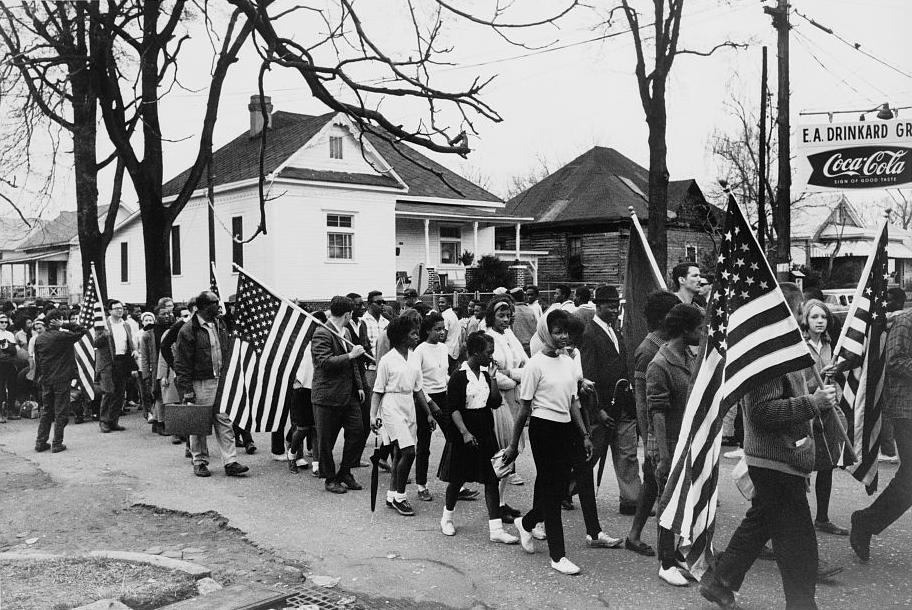
Poll taxes became part of the Jim Crow system that developed across the South after Reconstruction. Jim Crow was not only segregation in schools, buses, restaurants, and public spaces. It was also a political system designed to control who could vote and who could hold power.
Voting was central because elected officials controlled laws, courts, schools, policing, public spending, and representation. By limiting Black voting rights, Southern states could maintain segregation and weaken Black political influence.
This is why poll taxes were so damaging. They did not only affect one election. They helped shape who had a voice in government for decades.
Why Paying to Vote Was So Powerful
Paying to vote was powerful because it turned a basic right into something conditional. Instead of treating voting as part of citizenship, the poll tax treated it as something people had to purchase.
That mattered because poverty and racism were already connected through generations of slavery, unequal labor, land loss, underfunded schools, and job discrimination. A tax that looked small to one person could be a serious barrier to another.
The poll tax also sent a message. It suggested that political participation belonged only to people with enough money, documents, time, and access to satisfy local authorities.
The 24th Amendment and the End of Federal Poll Taxes

The 24th Amendment was ratified in 1964 and banned poll taxes in federal elections. This meant states could no longer require voters to pay a tax in order to vote for president, vice president, senators, or members of Congress.
This was an important victory, but it did not immediately end every poll tax. Some states still tried to use poll taxes in state and local elections, which meant the struggle continued beyond the amendment itself.
The 24th Amendment matters because it marked a major constitutional rejection of paying to vote. It made clear that access to federal elections could not depend on a person’s ability to pay.
Harper v. Virginia Board of Elections
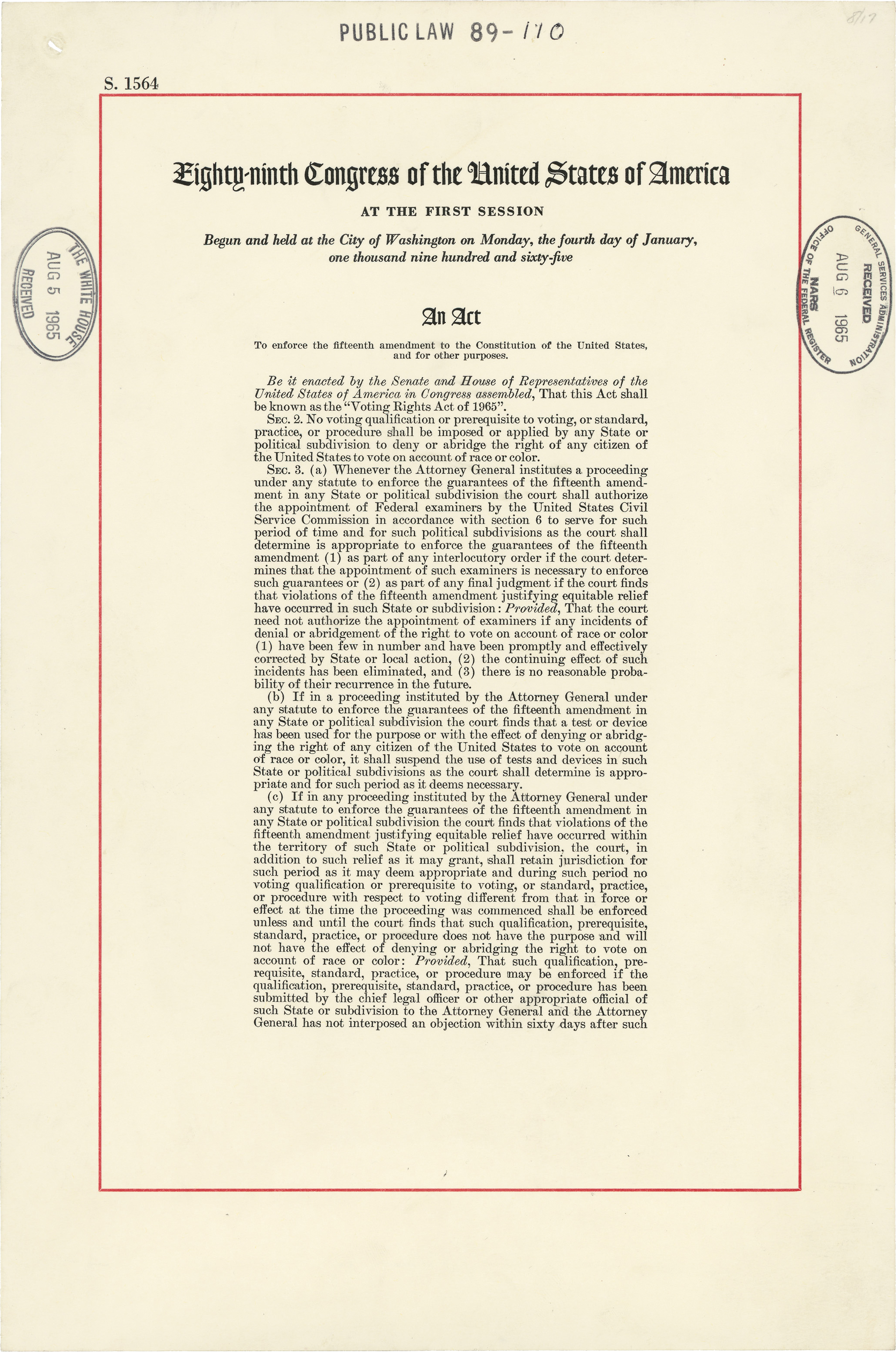
In 1966, the Supreme Court ruled in Harper v. Virginia Board of Elections that poll taxes in state elections violated the Equal Protection Clause of the 14th Amendment.
This ruling went beyond the 24th Amendment. It rejected the idea that a state could condition voting on payment of a fee. The Court recognized that wealth had no proper connection to a citizen’s ability to vote.
Together, the 24th Amendment and the Harper decision helped end the poll tax as a formal voting requirement in the United States.
Cultural Meaning and Impact
The cultural meaning of the poll tax comes from what it reveals about democracy. Voting rights can be weakened not only by direct bans, but also by rules that make participation harder for certain groups.
Poll taxes show how legal systems can be used to preserve unequal power. They also show why civil rights work often focused on access, not just abstract rights. A right that exists on paper means little if people are blocked from using it in practice.
The history of poll taxes also carries emotional weight because it reminds us that many people had to fight for something that should have been basic: the ability to vote without paying for permission.
For a design connected to voting rights and political courage, see the Fannie Lou Hamer Sick & Tired T-Shirt, part of the Words That Moved Us series.
Why Poll Taxes Still Matter Today

Poll taxes still matter today because they help explain the long history of voter suppression. Even though formal poll taxes are unconstitutional, the history behind them remains important for understanding how access to voting has been restricted in the past.
The phrase “poll tax” also remains part of public memory because it represents more than one fee. It represents a system that used money, paperwork, intimidation, and local control to narrow who could participate in democracy.
Remembering this history helps people understand that voting rights were not handed down easily. They were fought for through organizing, court cases, constitutional amendments, and generations of public pressure.
Cultural Expression Through Apparel
Apparel can carry historical memory into everyday life. A voting rights T-shirt or Black history graphic tee can point to the struggles behind citizenship, representation, and public voice.
A design connected to poll tax history should not treat the subject lightly. The image of a receipt, payment record, or voting document carries a serious meaning because it reflects a time when access to the ballot could be tied to money and power.
The Poll Tax Voting Rights T-Shirt connects to this history by turning a voting rights barrier into a visual reminder of what people had to overcome. It honors the memory of those who fought to make voting a right, not a purchase.
Common Examples of Voting Barriers Connected to Poll Taxes
- Poll taxes: Fees required before a person could vote.
- Literacy tests: Reading or interpretation tests used unfairly to block voters.
- Grandfather clauses: Rules that protected some white voters while excluding Black voters.
- Registration deadlines: Complicated timing rules that made voting harder.
- Receipt requirements: Proof-of-payment rules that could block people from voting.
- Intimidation: Threats, violence, or pressure used to discourage Black voters.
- Unequal enforcement: Local officials applying rules differently depending on race.
- Disenfranchisement laws: Legal systems that removed voting rights from targeted groups.
From Meaning to Everyday Expression

The history of poll taxes continues to matter because it shows how voting rights were contested through law, money, and power. It also shows why documents, receipts, ballots, and constitutional amendments can carry deep cultural meaning.
A T-shirt connected to this history can become a quiet form of remembrance. It can point to the people who faced barriers, challenged them, and helped expand the meaning of democracy.
Related design includes the Alabama Voting Rights Act T-Shirt, a Black history design rooted in voting rights, Jim Crow history, and the long fight against paying to vote.
Frequently Asked Questions
What was a poll tax?
A poll tax was a fee some citizens had to pay before they could vote. In the United States, poll taxes became a major voting barrier during the Jim Crow era, especially in Southern states.
Why did poll taxes matter in Black history?
Poll taxes mattered because they were used to limit Black voting power after Reconstruction. They worked alongside literacy tests, intimidation, and other Jim Crow laws to keep many Black citizens from voting.
How did poll taxes stop people from voting?
Poll taxes stopped people from voting by making payment a condition of participation. If a person could not afford the tax, missed a deadline, or could not prove payment, they could be blocked from voting.
Why are poll taxes still relevant today?
Poll taxes are still relevant because they help explain the history of voter suppression and the long fight to make voting accessible. They remain a symbol of how rights can be restricted through financial and legal barriers.
Final Thoughts
The history behind paying to vote shows how democracy can be limited through rules that look ordinary on the surface. Poll taxes were not simply fees. They were part of a larger system that restricted Black political power and narrowed access to citizenship.
Remembering poll tax history matters because voting rights were won through struggle, organization, law, and public pressure. The story reminds us that freedom is not only about having rights written down. It is about making sure people can actually use them.