


History of Black Vinyl Culture
The history of Black vinyl culture is the history of music, memory, collecting, and community. Long before streaming made music instantly available, records helped Black music travel from studios and clubs into homes, record shops, radio stations, parties, and family collections.
Vinyl records carried blues, jazz, gospel, soul, funk, reggae, disco, R&B, and hip-hop across generations. They were not only objects for listening. They were archives of voice, rhythm, cover art, neighborhood taste, and cultural identity.
Black vinyl culture still matters because it connects sound to touch, memory, and place. A record is something people hold, study, pass down, collect, sample, and return to. For more context on this broader relationship between Black music and cultural memory, read Black Nostalgia and Cultural Expression Through Music and Style.
What Black Vinyl Culture Represents
Black vinyl culture represents the way Black music has been preserved, shared, and valued through physical records. It includes the records themselves, but also the people and places around them: DJs, collectors, record store owners, radio hosts, producers, crate diggers, family members, and listeners.
At its deepest level, Black vinyl culture represents memory. A record can carry the sound of a singer, the style of an era, the visual language of an album cover, and the personal history of whoever owned it before. Many records become tied to family rooms, basements, block parties, church gatherings, and local record shops.
It also represents cultural ownership. Black music has shaped nearly every major form of American popular music, and vinyl became one of the main ways that influence was documented. Each record is part of a larger story about creativity, survival, business, and expression.
Historical Background

The roots of Black vinyl culture reach back to the early recording industry, when blues, jazz, gospel, and early rhythm and blues were recorded and distributed on shellac discs and later vinyl formats. As recording technology changed, Black performers became central to the growth of American music, even while the industry often failed to treat them fairly.
By the mid-20th century, records had become a major way for Black music to move across regions. A song recorded in Memphis, Detroit, Chicago, New Orleans, Philadelphia, or New York could reach listeners far beyond its local scene. Records helped regional sounds become national and eventually global.
In the 1960s and 1970s, vinyl culture became deeply connected to soul, funk, disco, and the visual world of album covers. The record was not just a sound format. It was a complete cultural object, combining music, photography, typography, liner notes, label identity, and personal collecting.
Record Stores as Cultural Gathering Places
Record stores played a major role in Black vinyl culture because they were more than retail spaces. They were places where people discovered new artists, debated favorite albums, learned about local scenes, and built taste through conversation.
In many communities, record stores helped connect listeners to music that might not receive heavy mainstream attention. A store owner, clerk, DJ, or regular customer could introduce someone to a gospel record, a rare soul single, a new funk release, or a local artist pressing.
That still matters today because independent record stores continue to serve as cultural memory spaces. Even when music is available online, the experience of browsing records creates a different relationship to sound. It slows the listener down and turns discovery into a physical act.
Album Covers and Visual Identity
Black vinyl culture was never only about the sound. Album covers became part of the experience. The cover introduced the artist before the needle touched the record. It could communicate elegance, rebellion, spirituality, romance, street life, political awareness, or futuristic imagination.
For Black artists, album art often helped build a complete identity. Clothing, hair, photography, color, and typography all shaped how the music was received. In the 1970s especially, album covers often connected directly to the style of the era.
For a deeper look at the fashion side of this visual language, read Why 70s Black Fashion Still Matters. The same decade that shaped soul and funk vinyl also shaped some of the most recognizable Black visual style in modern music history.
Soul, Funk, and the Golden Age of Vinyl Listening
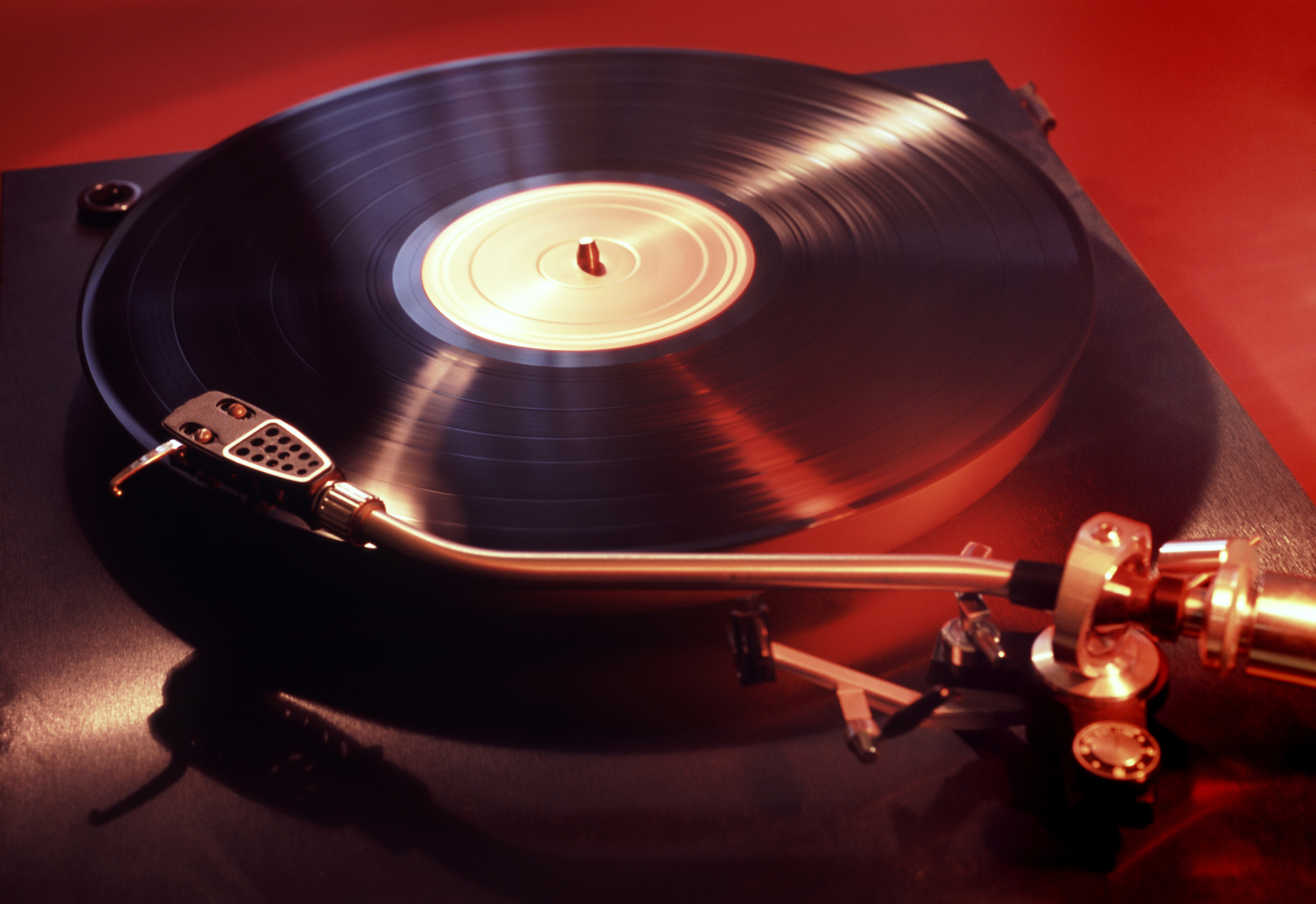
Soul and funk helped define one of the richest periods of Black vinyl culture. Albums and singles became part of everyday life, from living rooms and car rides to parties and radio shows. The record was the object that carried the groove.
In soul music, vinyl preserved vocal emotion, orchestration, and storytelling. In funk, it captured rhythm sections, basslines, horns, and extended grooves that later became important to DJs and producers. These records were made for listening, dancing, studying, and replaying.
This still matters because many soul and funk records remain important reference points for modern music. Their sounds continue to be sampled, reissued, collected, and studied. Vinyl helped keep those recordings alive as both music and cultural evidence.
Vinyl, DJs, and the Birth of Hip-Hop Culture

Vinyl became central to hip-hop because DJs used records as instruments. Turntables allowed DJs to extend breakbeats, blend songs, scratch, repeat sections, and create new energy from existing recordings.
This was culturally important because it showed how Black and Latino youth in New York transformed records into a new creative language. The record was no longer only something to play from beginning to end. It became material for invention.
The relationship between hip-hop and vinyl still matters because it changed the meaning of recorded music. Sampling, DJing, beat-making, and crate digging all grew from the idea that older records could become the foundation for new sound. Black vinyl culture helped turn listening into production.
Crate Digging and Musical Memory
Crate digging is the practice of searching through records to find valuable, rare, forgotten, or useful music. In Black vinyl culture, crate digging became both a collector’s habit and a creative method.
DJs and producers searched for drum breaks, basslines, vocal phrases, horn stabs, gospel progressions, jazz textures, and overlooked soul records. Collectors searched for original pressings, regional releases, family favorites, and albums connected to a certain time or place.
This still matters because crate digging keeps older music in circulation. It also teaches listeners that music history is layered. A forgotten record can become a sample, a memory, a collector’s item, or a doorway into an entire scene.
Family Collections and Generational Memory
Many people first encounter vinyl through family collections. A parent, grandparent, aunt, uncle, or older cousin may have kept records in crates, shelves, cabinets, or boxes. Those collections often hold more than music. They hold taste, memory, and family history.
A record collection can reveal what people danced to, cried to, cleaned the house to, cooked to, prayed with, or played on special occasions. It can show which artists mattered in a household and which songs became part of family identity.
This is one reason Black vinyl culture remains emotionally powerful. It connects public music history to private life. A record may be historically important, but it can also be personal because of who played it and when.
Radio, Parties, and the Spread of Black Music
Vinyl also shaped how Black music moved through radio and social life. DJs used records to introduce audiences to new songs, break artists, and build local taste. Radio stations helped turn records into shared experiences, especially when listeners heard the same songs at home, in cars, at parties, and in stores.
At parties, vinyl gave DJs control over mood and movement. A skilled DJ could read the room, choose the next record, and build energy across the night. This made vinyl part of the social structure of music, not just the technology behind it.
That connection between sound, movement, and public life also appears in television history. For a deeper look at how music, dance, and visibility worked together, read The Cultural Impact of Soul Train.
Cultural Meaning and Impact
The cultural meaning of Black vinyl culture comes from how records preserve both art and atmosphere. They carry the sound of an artist, but they also carry the world around that artist: the label, the cover image, the era, the audience, and the spaces where the record was played.
Vinyl also helped Black music survive changes in technology and industry control. Even when songs moved from records to tapes, CDs, downloads, and streaming, vinyl remained a physical archive. It kept music attached to touch, artwork, and collecting.
Black vinyl culture matters because it reminds us that music is not only content. It is memory, labor, community, and cultural inheritance. Records helped generations hear themselves, study their elders, build new sounds, and keep old sounds alive.
Why Black Vinyl Culture Still Matters Today
Black vinyl culture still matters today because people continue to seek a deeper connection to music. Streaming is convenient, but vinyl offers a slower and more intentional experience. It asks the listener to choose a record, place it on the turntable, and listen with attention.
Vinyl also remains important because younger listeners are returning to older Black music through collecting, sampling, reissues, documentaries, and family influence. Records create a bridge between generations that digital playlists do not always provide.
Today, Black vinyl culture connects collectors, DJs, producers, historians, music fans, and families. It keeps the physical history of Black sound present in a world where music can easily become invisible data.
Cultural Expression Through Apparel

Apparel connects naturally to Black vinyl culture because records have always carried visual style. Album covers, artist portraits, label designs, tour shirts, record store bags, and music-inspired graphics all show how sound becomes image.
A music-inspired shirt can express taste, memory, and cultural connection in the same way a record collection does. It can point to an era, an artist, a rhythm, or a feeling without needing to explain everything out loud.
Explore related themes through the Music Collection and the Black Culture Tees Collection. Both collections connect Black music, memory, and cultural expression through wearable design.
Common Examples of Black Vinyl Culture
- Family record collections passed down across generations
- Independent record stores serving as cultural gathering places
- Soul, funk, jazz, gospel, reggae, disco, R&B, and hip-hop records
- DJs using turntables to mix, scratch, loop, and extend breakbeats
- Crate digging for rare records, samples, and forgotten artists
- Album covers that preserve Black fashion, photography, and visual identity
- Radio DJs and party DJs shaping local taste through vinyl
- Modern collectors preserving original pressings and reissued classics
From Meaning to Everyday Expression
Black vinyl culture continues because records still carry the feeling of discovery, memory, and care. A record collection can tell a story about family, neighborhood, music taste, and cultural history.
That same feeling can continue through everyday clothing when the design connects to sound, rhythm, and nostalgia. Music-inspired apparel can work like a visual record collection, pointing back to the songs, artists, and eras that shaped people’s lives.
Related designs include the Groove T-Shirt, the Soul Train T-Shirt, the Michael Jackson Soul T-Shirt, and the Bob Marley T-Shirt. Each connects naturally to Black music, rhythm, memory, and cultural expression.
Frequently Asked Questions
What is Black vinyl culture?
Black vinyl culture is the history and community around Black music on records. It includes collectors, DJs, record stores, family collections, album art, sampling, and the preservation of blues, jazz, gospel, soul, funk, reggae, disco, R&B, and hip-hop.
Why does Black vinyl culture matter?
Black vinyl culture matters because records helped preserve and spread Black music across generations. Vinyl carries sound, artwork, memory, and cultural identity in a physical form that listeners can collect, share, and pass down.
How did vinyl influence hip-hop?
Vinyl influenced hip-hop through DJing, sampling, scratching, and breakbeat culture. DJs used turntables to transform records into new performances, while producers later used older records as source material for new music.
Why is Black vinyl culture still relevant?
Black vinyl culture is still relevant because records continue to connect people to music history in a physical and intentional way. Collectors, DJs, producers, and families still use vinyl to preserve memory, discover older music, and honor Black sound.
Final Thoughts
The history of Black vinyl culture is a history of sound becoming memory. Records helped carry Black music through homes, record stores, radio stations, parties, clubs, and family collections.
Vinyl preserved more than songs. It preserved voices, cover art, local scenes, personal taste, and generational feeling. Even now, Black vinyl culture reminds us that music is not only something to hear. It is something to hold, study, share, and remember.