


Black Nostalgia and Cultural Expression Through Music and Style
Black nostalgia carries meaning because it connects memory, music, fashion, family, community, and cultural pride. From soul records and dance floors to 70s fashion, vinyl collections, music videos, and graphic tees, Black cultural expression has often moved through sound and style together. Understanding Black nostalgia and cultural expression through music and style helps explain why retro Black culture continues to feel powerful today.
What Black Nostalgia Represents
Black nostalgia is not only about missing the past. It is about remembering the music, images, clothing, language, and cultural moments that shaped identity across generations. It can include soul music, funk, disco, R&B, hip-hop, vinyl records, dance shows, barbershop conversations, family parties, church music, block parties, and the visual style of Black performers.
In Black culture, nostalgia often carries emotional weight because music and style have been tied to survival, celebration, resistance, and belonging. A song can bring back a family gathering. A record cover can preserve a visual era. A hairstyle, jacket, pair of sunglasses, or dance move can immediately place someone inside a cultural memory.
This is why Black nostalgia remains so strong in fashion and design. It gives people a way to carry memory into the present. The past becomes something seen, worn, heard, and felt. For a deeper look at this broader visual history, read Black Cultural Aesthetics Through the Decades.
Historical Background
Black music has shaped American and global culture for generations. Spirituals, blues, jazz, gospel, soul, funk, disco, reggae, R&B, and hip-hop all created soundtracks for different eras of Black life. These genres were not only entertainment. They reflected labor, worship, migration, protest, romance, nightlife, family, and community identity.
Style developed alongside the music. The suits of soul singers, the bold colors of funk bands, the natural hair of the 1970s, the glamour of disco, the leather jackets of R&B performers, and the streetwear of hip-hop all helped create visual languages around sound.
Because of this, Black music history cannot be separated from fashion, photography, album covers, dance, television, and performance. The music created the feeling. The style made the feeling visible. For more context on this foundation, read How Music Shaped Black Identity.
Soul Music and Cultural Memory
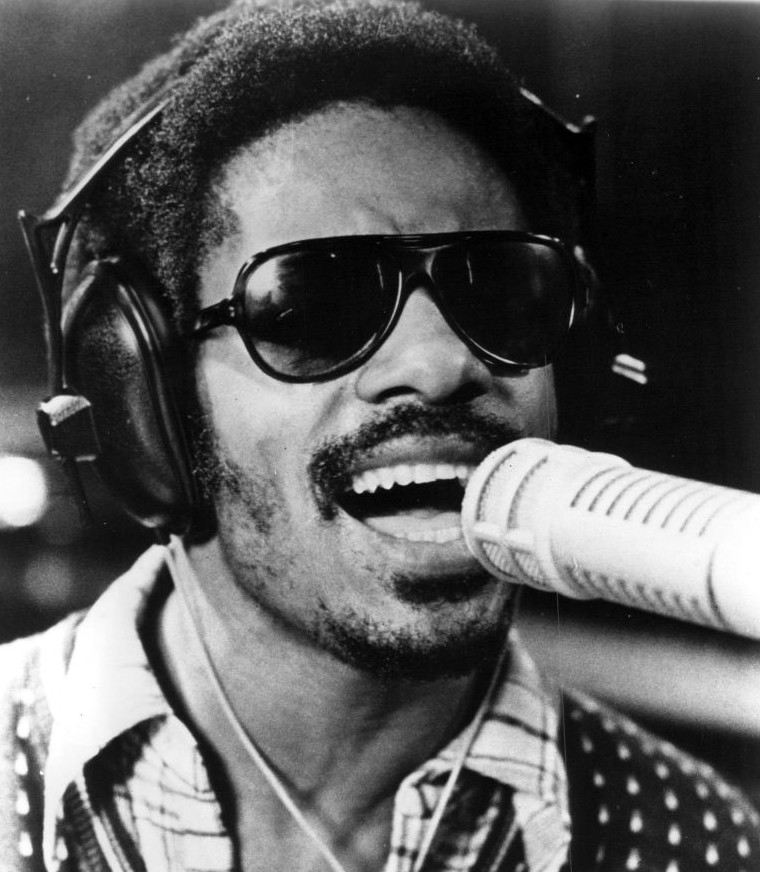
Soul music became one of the strongest expressions of Black feeling, faith, romance, struggle, and self-definition. Its sound drew from gospel, blues, rhythm and blues, and lived experience. The result was music that felt both personal and collective.
Soul music also shaped cultural memory because it was often heard in shared spaces. People experienced it at home, in cars, at cookouts, in clubs, on radio stations, and through records passed between generations. These songs became attached to moments, people, and places.
That is why soul music still feels nostalgic. It carries more than melody. It carries memory. A song can remind someone of their parents, grandparents, first dances, family parties, or a specific decade of Black cultural life. For a broader historical view of major music landmarks, read Iconic Black Music Moments in History.
The Power of Soul Train and Black Television
Soul Train became one of the clearest examples of Black music and style working together. It gave viewers a weekly look at dance, fashion, hair, personality, and performance. The show helped make Black youth culture visible in a way that felt stylish, joyful, and self-defined.
Its cultural impact went beyond the music. The clothes, dance lines, hairstyles, stage presence, and audience energy all became part of the show’s legacy. Viewers were not just watching artists perform. They were watching Black style move in real time.
This is why Soul Train remains a major reference point for Black nostalgia. It preserved a visual archive of movement, fashion, and music culture. It showed how style could become part of collective memory. For a deeper look, read The Cultural Impact of Soul Train.
70s Black Fashion and Visual Identity
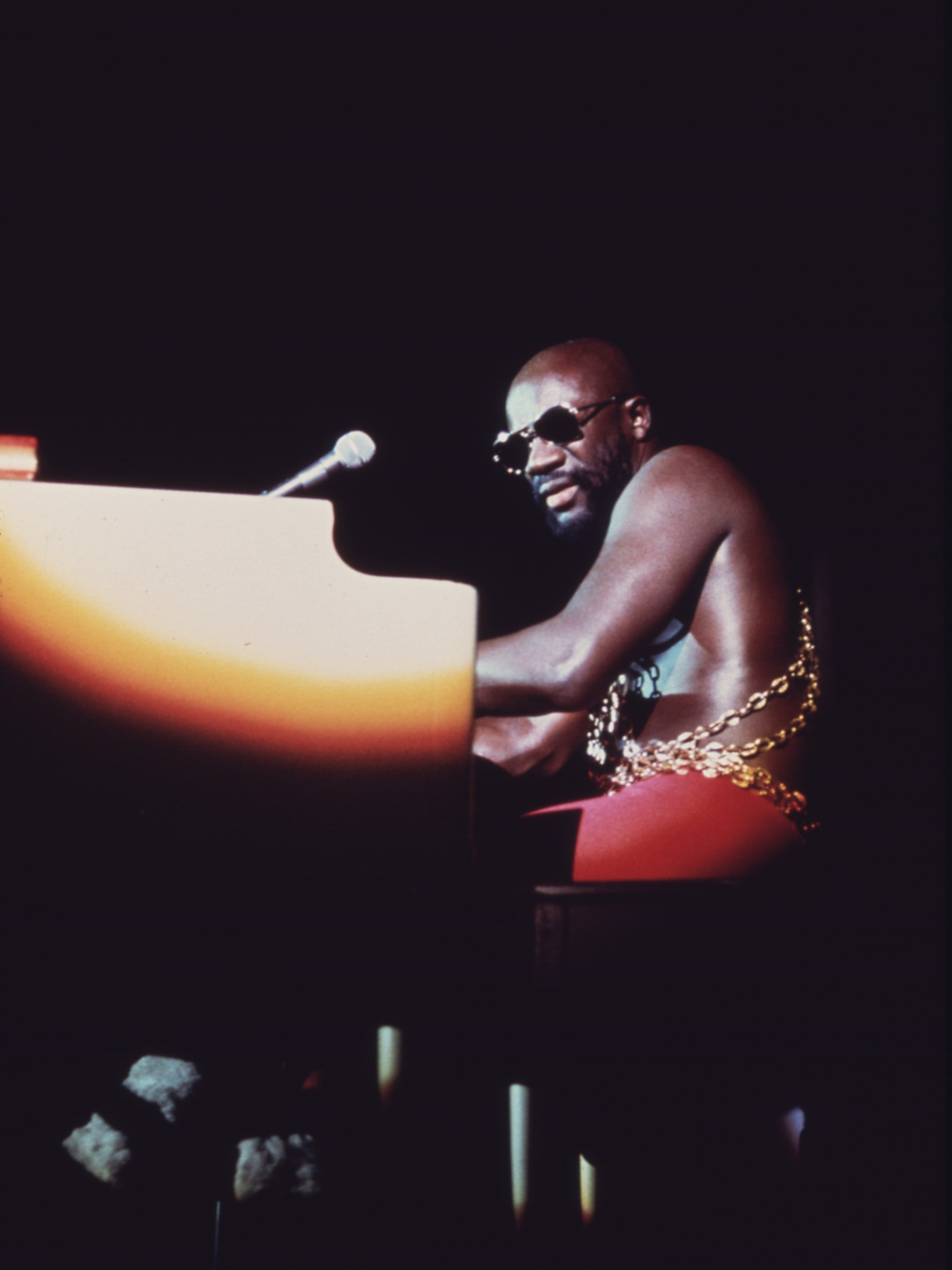
1970s Black fashion still matters because it represented confidence, experimentation, and cultural visibility. Afros, wide collars, platform shoes, jumpsuits, leather jackets, bold prints, sunglasses, denim, and earth-toned color palettes helped define the era.
The style was not random. It reflected broader cultural shifts around Black pride, natural hair, nightlife, funk, soul, and public self-expression. Clothing became a way to be seen with force and personality.
Many of these visual choices still influence modern fashion. Retro Black style continues to appear in music videos, editorial photography, streetwear, graphic tees, and cultural branding because it feels expressive, confident, and rooted in memory. For more context, read Why 70s Black Fashion Still Matters.
Vinyl Culture and the Ritual of Listening

Vinyl records shaped how many people experienced Black music. A record was not only sound. It was an object. The cover, liner notes, sleeve, label, and act of placing the record on a turntable all created a ritual around listening.
For Black families and collectors, vinyl often became part of home culture. Records were stacked in living rooms, played during gatherings, borrowed, protected, and passed down. Album covers also became visual history, preserving fashion, typography, photography, and artistic direction from different eras.
This is why vinyl culture continues to feel nostalgic. It represents slower listening, physical ownership, and the emotional memory of music as something held in the hand. For more on this history, read History of Black Vinyl Culture.
Music, Fashion, and Black Identity
Music and fashion have shaped Black identity together because both are forms of expression. A sound can communicate mood, history, or resistance. A style can communicate confidence, belonging, or cultural memory. Together, they create a full cultural image.
Black performers have often shaped how entire generations dress and see themselves. Soul singers, funk bands, disco performers, reggae artists, R&B stars, and hip-hop artists all influenced clothing, hair, accessories, posture, and attitude.
This matters because style can make identity visible. A person may connect to an era through music, then express that connection through clothing. That is one reason retro music culture continues to influence apparel today. For more context, read The Connection Between Music and Fashion.
The Visual Style of 70s and 80s Black Music
The visual style of 70s and 80s Black music helped define how sound was remembered. Album covers, stagewear, television performances, hair, lighting, dance, and early music videos all shaped the way artists appeared in public memory.
In the 1970s, soul, funk, and disco created bold visual worlds through color, movement, and dramatic silhouettes. In the 1980s, R&B, pop, and hip-hop expanded that language through music videos, streetwear, leather, sneakers, jewelry, and sharper artist branding.
These visuals still matter because they gave Black music a recognizable image. For a deeper look at this history, read The Visual Style of 70s and 80s Black Music.
Why Retro Black Culture Is Resurging
Retro Black culture is resurging because people are looking for identity, warmth, and visual depth in a fast-moving digital world. Older music eras often feel richer, slower, and more personal than disposable trends.
People return to 70s and 80s Black culture because it offers strong visuals and emotional memory. The color palettes, photography, record covers, dance scenes, hairstyles, and fashion all feel distinct. They give modern audiences something recognizable to reconnect with.
Nostalgia also offers comfort. It reminds people of family, neighborhood life, cultural pride, and music that carried real feeling. Even for people who were not alive during those eras, retro Black culture can feel inherited. For a deeper look, read Why Retro Black Culture Is Resurging.
Cultural Meaning and Impact
The cultural impact of Black nostalgia comes from how it preserves memory. Music and style become archives of how people lived, gathered, celebrated, and expressed themselves. A photograph of a performer, a vinyl record, a dance show, or a vintage outfit can hold an entire era of meaning.
This kind of nostalgia is powerful because it is not passive. It continues to shape new art, fashion, branding, music, and personal style. Modern creators keep returning to older Black cultural references because they still communicate identity clearly.
Black nostalgia also reminds people that culture is built across generations. What feels stylish today often has roots in earlier sounds, earlier silhouettes, earlier dances, and earlier forms of self-expression.
Why Black Nostalgia Still Matters Today
Black nostalgia still matters because it helps people stay connected to cultural memory. In modern life, people encounter nostalgia through playlists, record collecting, vintage clothing, documentaries, social media edits, album art, photography, and apparel.
These references are not only aesthetic. They help people understand where modern Black style came from. They show how earlier generations used music and fashion to create joy, confidence, and identity.
This is why nostalgia works so well in cultural design. It gives a shirt, image, or song a deeper emotional charge. The design does not only look retro. It points to a larger memory.
Explore the Black Nostalgia, Soul, and Music Series
This post is part of a broader series on Black nostalgia, soul, music, and style. Read the supporting articles below for deeper context:
- The Cultural Impact of Soul Train
- Why 70s Black Fashion Still Matters
- History of Black Vinyl Culture
- The Visual Style of 70s and 80s Black Music
- How Music Shaped Black Identity
- Why Retro Black Culture Is Resurging
- Iconic Black Music Moments in History
- The Connection Between Music and Fashion
- Black Cultural Aesthetics Through the Decades
Cultural Expression Through Apparel
 Music and style do not only belong in archives, documentaries, or record collections. They also appear in everyday expression. Clothing can become one way people carry cultural memory into daily life.
A design inspired by Black music, soul culture, or retro style can reflect joy, nostalgia, identity, and cultural pride. It can make a graphic tee feel like more than decoration. The image becomes part of how someone chooses to represent what they love and remember.
Explore music-centered designs in our Music Collection. You can also browse broader cultural pieces in our Black Culture Tees Collection, Popular This Month, and Black History Collection.
Common Forms of Black Nostalgia in Music and Style
- Soul records: Represent family memory, romance, reflection, and classic Black music culture.
- Vinyl collections: Symbolize slower listening, physical memory, and musical inheritance.
- Dance shows: Preserve movement, fashion, joy, and public Black cultural expression.
- 70s fashion: Represents confidence, natural hair, bold silhouettes, and cultural visibility.
- Album covers: Preserve photography, typography, fashion, and visual storytelling.
- Retro graphics: Carry the feeling of older eras through color, texture, and design style.
- Music tees: Turn cultural memory into something wearable and personal.
From Meaning to Everyday Expression

What these ideas represent does not stay confined to history, music, or memory. They continue to appear in how people dress, decorate, create, and express identity in everyday life. For many, what they choose to wear becomes part of that expression.
Explore pieces that reflect these ideas below.
Related designs include the Groove: Black Dance Party T-Shirt, Soul Train T-Shirt, Michael Jackson Soul T-Shirt, and Bob Marley T-Shirt.
Frequently Asked Questions
What is Black nostalgia?
Black nostalgia refers to cultural memory connected to Black music, fashion, family, community, art, television, nightlife, and style from earlier eras.
Why is music important to Black cultural expression?
Music is important because it has helped Black communities express faith, struggle, joy, identity, romance, resistance, and collective memory across generations.
How does fashion connect to Black music history?
Fashion connects to Black music history because performers and audiences used clothing, hair, color, and stage presence to make sound visible through style.
Why is retro Black culture popular again?
Retro Black culture is popular again because it carries warmth, identity, visual strength, and emotional memory. Many people connect with older music eras through fashion, design, and nostalgia.
Final Thoughts
Black nostalgia and cultural expression through music and style reveal how deeply sound and image work together. Soul music, vinyl records, dance floors, 70s fashion, album covers, and retro graphics all preserve cultural memory.
This history matters because nostalgia is not only about looking backward. It is about carrying meaning forward. Through music, style, and apparel, Black culture continues to remember itself, remix itself, and remain visible across generations.