


Why Retro Black Culture Is Resurging
Why retro Black culture is resurging has a lot to do with memory, style, music, and the desire for something that feels rooted. Across fashion, vinyl records, photography, dance clips, album art, and social media, older Black cultural aesthetics are being rediscovered by younger audiences and revisited by people who lived through them.
This resurgence is not only about nostalgia. It reflects a deeper search for cultural continuity. People are returning to the sounds, styles, images, and symbols of earlier decades because they carry identity, pride, and a sense of connection that still feels meaningful today.
Retro Black culture matters because it reminds people that the past is not gone. It remains visible in music, clothing, home collections, family photos, record shops, television archives, and everyday style. For more context on this larger relationship between memory, music, and expression, read Black Nostalgia and Cultural Expression Through Music and Style.
What Retro Black Culture Represents
Retro Black culture represents the sounds, images, styles, objects, and memories associated with earlier periods of Black life. It often includes soul and funk music, vinyl records, 70s fashion, 80s R&B visuals, early hip-hop style, family photo aesthetics, old television clips, vintage album covers, and community traditions.
At its deepest level, retro Black culture represents continuity. It connects people to parents, grandparents, neighborhoods, churches, record collections, cookouts, family rooms, barbershops, beauty salons, school dances, and television programs that shaped everyday life.
The word “retro” can make the past sound like a style trend, but in Black culture it often carries more weight. It can point to survival, creativity, migration, pride, resistance, and joy. These older images and sounds remain powerful because they are attached to real cultural memory.
Historical Background
Retro Black culture draws from many periods, but much of today’s interest centers on the 1960s, 1970s, 1980s, and 1990s. These decades produced some of the strongest visual and musical references in modern Black cultural history.
The 1960s and 1970s brought civil rights, Black Power, the “Black Is Beautiful” movement, soul music, funk, natural hair, Afrocentric clothing, and the rise of Black television visibility. The 1980s brought music video culture, R&B glamour, early hip-hop fashion, sneakers, tracksuits, street photography, and sharper artist branding. The 1990s added another layer through sitcoms, music videos, neo-soul, rap magazines, streetwear, and family photo nostalgia.
These eras continue to matter because they created cultural images that are easy to recognize and hard to replace. For a deeper look at the music and style foundation of this cluster, read How Music Shaped Black Identity.
The Search for Cultural Roots
One reason retro Black culture is resurging is the search for roots. In a fast digital world, people often look backward to find something stable, meaningful, and familiar.
Older Black cultural images offer a sense of grounding. A photo of a family gathering, a record spinning on a turntable, an old Soul Train clip, or a 70s fashion image can feel like proof of continuity. It shows that Black creativity was already rich, stylish, and self-defined before today’s platforms existed.
This matters because cultural memory helps people understand where modern style and sound came from. Retro Black culture gives younger generations a way to study the past without feeling distant from it.
Music Nostalgia and the Return of Vinyl
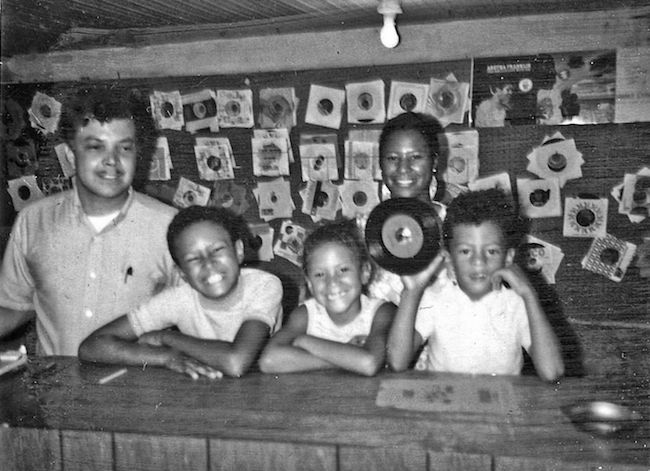
Music is one of the strongest forces behind the resurgence of retro Black culture. Older soul, funk, R&B, reggae, disco, jazz, and hip-hop continue to circulate through samples, playlists, documentaries, reissues, and family record collections.
Vinyl has also returned as a major symbol of slower, more intentional listening. A record is physical. It has cover art, liner notes, weight, and a sense of care. That makes it different from streaming, where music can sometimes feel invisible and disposable.
Black vinyl culture matters because records preserved the sound, art, and atmosphere of earlier generations. For a deeper look at that history, read History of Black Vinyl Culture.
Soul Train, Dance Clips, and Television Memory
Television archives have helped retro Black culture return to public attention. Old dance clips, performance videos, interview segments, and variety show footage now circulate online in a way that lets people revisit earlier eras quickly.
Soul Train is one of the clearest examples. The show preserved Black music, fashion, dance, hairstyles, and youth culture in motion. It allowed later generations to see how people carried themselves, how they dressed, and how they moved to the music.
This still matters because motion gives memory a different kind of life. A photo can show style, but a dance clip shows energy, rhythm, and personality. For more context, read The Cultural Impact of Soul Train.
70s and 80s Fashion as a Visual Reference
Fashion is another major reason retro Black culture is resurging. Afros, wide collars, bell bottoms, platform shoes, leather jackets, tracksuits, gold chains, denim, sneakers, and bold prints continue to return in modern styling.
These looks still matter because they were never only about clothing. In the 1970s, fashion often reflected pride, natural beauty, heritage, and self-definition. In the 1980s, music videos, hip-hop, R&B, and streetwear helped expand Black visual style into new forms.
People return to these styles because they carry personality and history. They feel expressive without needing to be explained. For a deeper look, read Why 70s Black Fashion Still Matters and The Visual Style of 70s and 80s Black Music.
Social Media and the Circulation of Cultural Memory
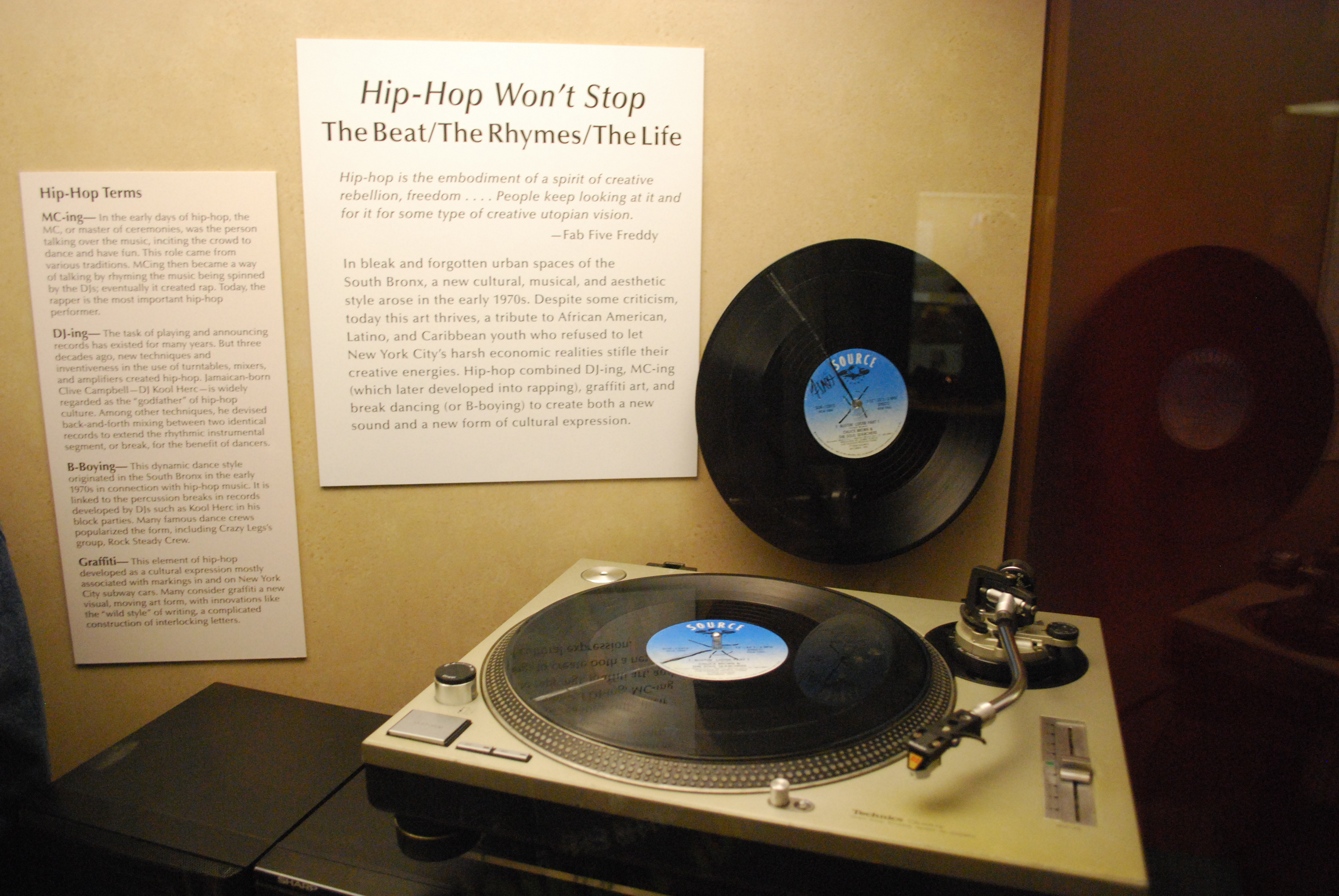
Social media has made retro Black culture easier to rediscover. Old performance clips, family photos, album covers, vintage advertisements, yearbook pictures, record store images, and fashion edits can now reach audiences who may never have seen them otherwise.
This matters because platforms can turn private or forgotten material into shared cultural memory. A 30-second clip can introduce someone to an artist, a dance style, a hairstyle, or a visual era. A scanned photograph can remind thousands of people of their own family albums.
The downside is that social media can flatten history into aesthetics. A look may be copied without understanding the world that produced it. The stronger approach is to treat retro Black culture not just as inspiration, but as cultural evidence.
The Appeal of Analog and Tangible Culture
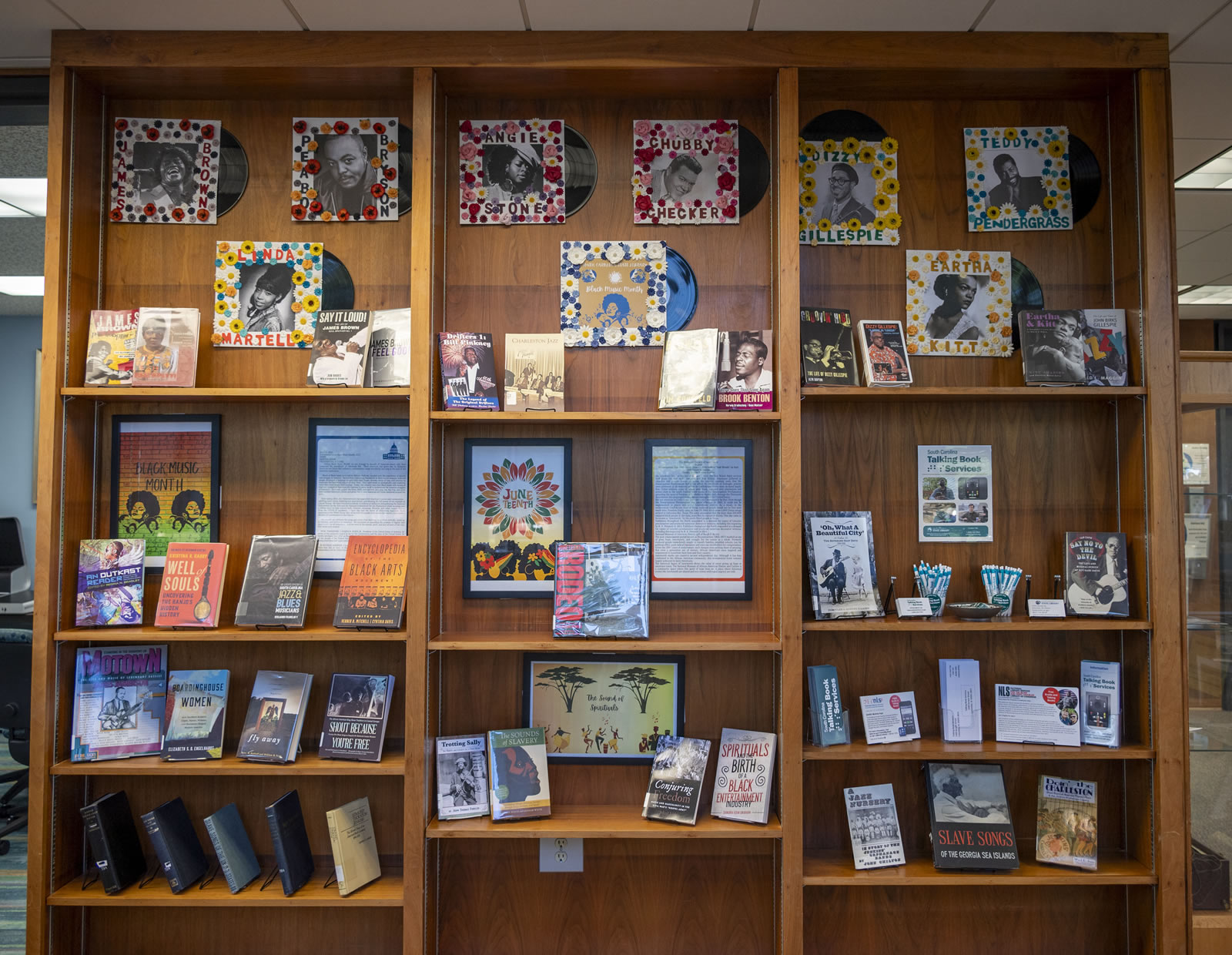
Retro Black culture is also resurging because people are drawn to physical objects again. Vinyl records, printed photos, vintage magazines, old concert shirts, cassette tapes, flyers, and family keepsakes feel different from digital files.
These objects matter because they have texture. They age. They can be held, stored, displayed, inherited, and rediscovered. A record sleeve or old photograph carries marks of use that make it feel connected to real life.
That appeal is not only sentimental. It reflects a desire for culture that feels less temporary. In a digital environment where images move quickly and disappear easily, physical objects create a stronger sense of presence.
Retro Black Culture and Modern Creativity
Modern artists, designers, musicians, photographers, and stylists often return to retro Black culture because it offers a deep visual and emotional vocabulary. The past gives them colors, textures, shapes, sounds, and moods that still feel alive.
This influence appears in music videos, album covers, fashion editorials, home decor, concert visuals, streetwear, and graphic design. A modern image may reference 70s soul, 80s R&B, early hip-hop, or family photo aesthetics while still speaking to the present.
This matters because cultural creativity often works through return and reinterpretation. Retro Black culture is not simply repeated. It is remixed, studied, honored, and reshaped by new generations.
Cultural Meaning and Impact
The cultural meaning of this resurgence comes from the way retro Black culture offers people a usable past. It gives them images, sounds, and objects that help explain who they are and where modern Black expression comes from.
The impact is especially strong because retro culture often feels personal. It may remind someone of a parent’s record collection, an aunt’s old hairstyle, a grandparent’s church outfit, a family cookout, or a favorite song from childhood.
At the same time, it has public meaning. Retro Black culture helps correct the idea that Black creativity only matters when it becomes newly popular. These older styles and sounds were already meaningful in their own time, and their return shows how durable that meaning remains.
Why Retro Black Culture Still Matters Today
Retro Black culture still matters today because it keeps cultural memory visible. It helps people see that modern Black music, fashion, design, and identity did not appear suddenly. They were built from older traditions, older risks, and older forms of creativity.
It also matters because it gives people a language for pride without needing to rely only on slogans. A record, a hairstyle, a dance clip, a vintage photo, or a music-inspired shirt can carry identity in a quiet but recognizable way.
Most importantly, retro Black culture reminds people that the past is not only something to study. It is something people continue to live with, reinterpret, and carry forward.
Cultural Expression Through Apparel

Apparel is one of the clearest ways retro Black culture continues in everyday life. Clothing can reference soul music, vinyl records, 70s fashion, 80s style, early hip-hop, old-school graphics, or Black cultural memory without turning the past into a costume.
A retro-inspired shirt can feel like a small archive. It can point to music, rhythm, family memory, and cultural identity through image, color, typography, or symbolism.
Explore related themes through the Music Collection, the Black Culture Tees Collection, and the Popular This Month Collection. These collections connect Black nostalgia, music, and cultural expression through wearable design.
Common Examples of Retro Black Culture Resurging
- Vinyl records, record stores, and family music collections
- Soul Train clips, dance lines, and old television performances
- 70s fashion references like Afros, bell bottoms, wide collars, and platform shoes
- 80s music video style, R&B glamour, leather, denim, and bold lighting
- Early hip-hop fashion, including sneakers, tracksuits, chains, jackets, and hats
- Vintage album covers used as references for photography and design
- Family photo aesthetics, old-school portraits, and cookout nostalgia
- Music-inspired apparel that references soul, funk, R&B, reggae, and hip-hop
From Meaning to Everyday Expression
Retro Black culture continues because it gives people a way to carry memory into the present. It lives through music, clothing, family collections, old photographs, dance clips, design references, and the everyday desire to stay connected to something with roots.
That same meaning can carry into wearable expression. A retro music-inspired design can connect someone to a sound, an era, a family memory, or a broader cultural story.
Related designs include the Soul Train T-Shirt, the Groove T-Shirt, the Soul Spin T-Shirt, the Michael Jackson Soul T-Shirt, and the Bob Marley T-Shirt. Each connects naturally to Black music, nostalgia, visual style, and cultural memory.
Frequently Asked Questions
What is retro Black culture?
Retro Black culture refers to older Black music, fashion, images, objects, television moments, hairstyles, design styles, and traditions that continue to influence the present. It often includes soul, funk, vinyl records, 70s fashion, 80s music visuals, early hip-hop, and family photo nostalgia.
Why does retro Black culture matter?
Retro Black culture matters because it preserves memory, identity, and creativity across generations. It helps people understand how modern Black music, fashion, and style developed from earlier cultural moments.
How is retro Black culture resurging today?
Retro Black culture is resurging through vinyl collecting, old performance clips, social media archives, vintage fashion, album cover references, music sampling, documentaries, and apparel inspired by earlier Black cultural eras.
Why is retro Black culture still relevant?
Retro Black culture is still relevant because it carries meaning beyond trend. It connects people to family, music, style, pride, memory, and the creative traditions that continue to shape Black culture today.
Final Thoughts
Retro Black culture is resurging because people are looking for more than old styles. They are looking for memory, meaning, identity, and connection. The past offers images and sounds that still feel alive because they were built from real community experience.
From vinyl records and Soul Train clips to 70s fashion, 80s music visuals, and early hip-hop style, retro Black culture continues to shape how people see, hear, wear, and remember identity. Its return is not just nostalgia. It is cultural continuity.
Expression Through Apparel
<div id='collection-component-1778427305516'></div>
<script type="text/javascript">
/*<![CDATA[*/
(function () {
var scriptURL = 'https://sdks.shopifycdn.com/buy-button/latest/buy-button-storefront.min.js';
if (window.ShopifyBuy) {
if (window.ShopifyBuy.UI) {
ShopifyBuyInit();
} else {
loadScript();
}
} else {
loadScript();
}
function loadScript() {
var script = document.createElement('script');
script.async = true;
script.src = scriptURL;
(document.getElementsByTagName('head')[0] || document.getElementsByTagName('body')[0]).appendChild(script);
script.onload = ShopifyBuyInit;
}
function ShopifyBuyInit() {
var client = ShopifyBuy.buildClient({
domain: '007946-a1.myshopify.com',
storefrontAccessToken: 'fd552ebfef56a55ae8fe339693daf7a2',
});
ShopifyBuy.UI.onReady(client).then(function (ui) {
ui.createComponent('collection', {
id: '307118702760',
node: document.getElementById('collection-component-1778427305516'),
moneyFormat: '%24%7B%7Bamount%7D%7D',
options: {
"product": {
"styles": {
"product": {
"@media (min-width: 601px)": {
"max-width": "calc(25% - 20px)",
"margin-left": "20px",
"margin-bottom": "50px",
"width": "calc(25% - 20px)"
},
"img": {
"height": "calc(100% - 15px)",
"position": "absolute",
"left": "0",
"right": "0",
"top": "0"
},
"imgWrapper": {
"padding-top": "calc(75% + 15px)",
"position": "relative",
"height": "0"
}
},
"title": {
"font-family": "Open Sans, sans-serif"
},
"button": {
"font-family": "Open Sans, sans-serif",
"font-weight": "bold",
":hover": {
"background-color": "#000000"
},
"background-color": "#000000",
":focus": {
"background-color": "#000000"
}
},
"price": {
"font-family": "Open Sans, sans-serif"
},
"compareAt": {
"font-family": "Open Sans, sans-serif"
},
"unitPrice": {
"font-family": "Open Sans, sans-serif"
},
"description": {
"font-family": "Open Sans, sans-serif"
}
},
"buttonDestination": "modal",
"contents": {
"options": false
},
"text": {
"button": "View product"
},
"googleFonts": [
"Open Sans"
]
},
"productSet": {
"styles": {
"products": {
"@media (min-width: 601px)": {
"margin-left": "-20px"
}
}
}
},
"modalProduct": {
"contents": {
"img": false,
"imgWithCarousel": true,
"button": false,
"buttonWithQuantity": true
},
"styles": {
"product": {
"@media (min-width: 601px)": {
"max-width": "100%",
"margin-left": "0px",
"margin-bottom": "0px"
}
},
"button": {
"font-family": "Open Sans, sans-serif",
"font-weight": "bold",
":hover": {
"background-color": "#000000"
},
"background-color": "#000000",
":focus": {
"background-color": "#000000"
}
},
"title": {
"font-family": "Open Sans, sans-serif",
"font-weight": "bold",
"font-size": "26px",
"color": "#4c4c4c"
},
"price": {
"font-family": "Open Sans, sans-serif",
"font-weight": "normal",
"font-size": "18px",
"color": "#4c4c4c"
},
"compareAt": {
"font-family": "Open Sans, sans-serif",
"font-weight": "normal",
"font-size": "15.299999999999999px",
"color": "#4c4c4c"
},
"unitPrice": {
"font-family": "Open Sans, sans-serif",
"font-weight": "normal",
"font-size": "15.299999999999999px",
"color": "#4c4c4c"
},
"description": {
"font-family": "Open Sans, sans-serif",
"font-weight": "normal",
"font-size": "14px",
"color": "#4c4c4c"
}
},
"googleFonts": [
"Open Sans"
],
"text": {
"button": "Add to cart"
}
},
"option": {
"styles": {
"label": {
"font-family": "Open Sans, sans-serif"
},
"select": {
"font-family": "Open Sans, sans-serif"
}
},
"googleFonts": [
"Open Sans"
]
},
"cart": {
"styles": {
"button": {
"font-family": "Open Sans, sans-serif",
"font-weight": "bold",
":hover": {
"background-color": "#000000"
},
"background-color": "#000000",
":focus": {
"background-color": "#000000"
}
}
},
"text": {
"total": "🔒 Secure Checkout",
"button": "Proceed to Checkout"
},
"popup": false,
"googleFonts": [
"Open Sans"
]
},
"toggle": {
"styles": {
"toggle": {
"font-family": "Open Sans, sans-serif",
"font-weight": "bold",
"background-color": "#000000",
":hover": {
"background-color": "#000000"
},
":focus": {
"background-color": "#000000"
}
}
},
"googleFonts": [
"Open Sans"
]
}
},
});
});
}
})();
/*]]>*/
</script>